Summer Lawn Care Tips to Protect Your Grass from Heat Stress
 Summer can be one of the most challenging seasons for maintaining a healthy lawn. High temperatures, prolonged drought conditions, intense sunlight, and increased evaporation place significant stress on turfgrass. When these environmental pressures exceed a lawn’s ability to recover, heat stress occurs.
Heat-stressed lawns often become thin, discolored, and vulnerable to weeds, insects, and disease. Understanding how grass responds to summer conditions can help homeowners take proactive measures to preserve lawn health while reducing unnecessary water use and maintenance costs.
According to guidance published by the EPA, efficient irrigation practices and proper landscape management play important roles in maintaining healthy turf while conserving water resources. These principles have become increasingly important as many regions across the United States experience longer periods of heat and drought.
This guide explores the science behind heat stress, how to identify it, and the most effective summer lawn care practices for protecting grass during extreme weather conditions.
What Is Heat Stress in Lawns?
Heat stress occurs when grass plants lose moisture faster than they can absorb it through their root systems. As temperatures rise, grass increases water loss through a process called transpiration.
When soil moisture becomes insufficient, the grass begins to conserve resources by slowing growth and redirecting energy toward survival rather than development.
Prolonged heat stress can result in:
- Reduced root growth
- Leaf discoloration
- Increased susceptibility to weeds
- Greater vulnerability to insects
- Soil compaction issues
- Permanent turf damage in severe cases
Heat stress affects both cool-season and warm-season grasses, although symptoms and recovery rates vary by species.
Why Summer Heat Damages Grass
Several environmental factors contribute to summer lawn stress.
High Air Temperatures
When temperatures consistently exceed 85°F (29°C), many cool-season grasses begin to experience physiological stress.
Soil Temperature Increases
While air temperature receives most attention, soil temperature often has a greater impact on root health. Elevated soil temperatures reduce root growth and limit nutrient uptake.
Increased Evaporation
Strong sunlight and low humidity accelerate moisture loss from both soil and grass blades.
Drought Conditions
Extended periods without rainfall can rapidly deplete available soil moisture, especially in lawns with shallow root systems.
Compacted Soil
Compacted soils restrict oxygen movement and reduce water infiltration, making lawns more susceptible to heat-related damage.
Signs Your Lawn Is Experiencing Heat Stress
Early identification can prevent long-term lawn damage.
Common symptoms include:
Footprints That Remain Visible
Healthy grass typically springs back after being walked on. Heat-stressed grass often remains flattened because it lacks adequate moisture.
Blue-Gray Coloration
One of the earliest signs of drought stress is a blue-gray appearance across sections of the lawn.
Brown Patches
Localized brown areas may indicate severe moisture deficiency or weakened turf.
Slow Growth
Grass naturally slows growth during hot weather, but significant reductions may indicate excessive stress.
Thinning Turf
Heat-stressed lawns often lose density, creating opportunities for weeds to establish themselves.
Understanding Different Grass Types and Their Heat Tolerance
Not all grasses respond to summer heat in the same way.
Kentucky Bluegrass
Popular throughout northern regions, Kentucky bluegrass can enter dormancy during drought conditions but often recovers once moisture returns.
Perennial Ryegrass
This grass provides excellent appearance but tends to have lower drought tolerance than many other species.
Tall Fescue
Tall fescue develops deeper roots and generally demonstrates better heat and drought resistance.
Bermudagrass
Common throughout southern regions, Bermudagrass thrives in hot temperatures and recovers quickly from stress.
Zoysiagrass
Zoysiagrass offers strong heat tolerance and moderate drought resistance.
Understanding your grass type can help determine appropriate watering and maintenance practices.
Essential Summer Lawn Care Tips
Water Deeply Rather Than Frequently
Deep watering encourages roots to grow deeper into the soil profile where moisture remains available longer.
Most lawns benefit from approximately 1 to 1.5 inches of water per week, including rainfall.
Water Early in the Morning
Morning irrigation reduces evaporation and allows grass blades to dry before evening, minimizing disease risk.
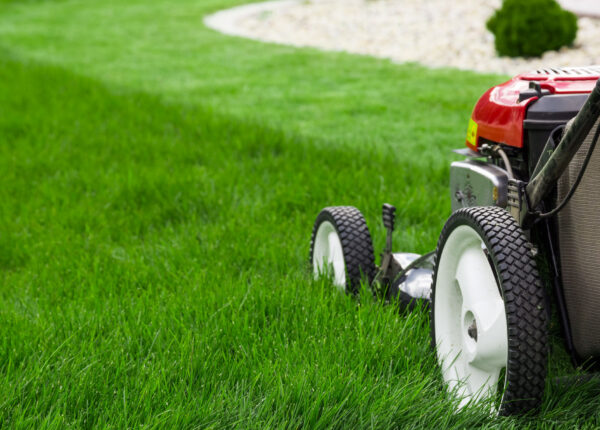
Raise Mowing Height
Taller grass provides natural shade for soil surfaces.
Benefits include:
- Reduced evaporation
- Improved root development
- Better weed suppression
- Enhanced drought tolerance
Most cool-season grasses perform best when maintained between 3 and 4 inches during summer.
Keep Mower Blades Sharp
Dull blades tear grass rather than cutting it cleanly.
Clean cuts heal more quickly and reduce moisture loss.
Avoid Excessive Fertilization
Applying large amounts of nitrogen during periods of intense heat can increase stress by stimulating growth when the plant is already struggling.
A soil test can help determine whether additional nutrients are necessary.
The Role of Proper Irrigation During Hot Weather
Irrigation is often misunderstood.
Overwatering can be just as harmful as underwatering.
Common irrigation mistakes include:
- Daily shallow watering
- Watering during peak afternoon heat
- Inconsistent watering schedules
- Ignoring rainfall totals
Efficient irrigation focuses on delivering sufficient moisture to the root zone while minimizing runoff and evaporation.
Homeowners should regularly inspect irrigation systems to ensure even water distribution across the lawn.
Soil Health and Heat Stress Resistance
Healthy soil serves as the foundation of a resilient lawn.
Soils rich in organic matter offer several advantages:
- Improved moisture retention
- Enhanced microbial activity
- Better nutrient availability
- Increased root development
Aeration Benefits
Compacted soil limits oxygen movement and restricts root growth.
Core aeration helps:
- Improve water infiltration
- Increase oxygen availability
- Enhance nutrient absorption
- Promote deeper rooting
Lawns with healthy root systems generally withstand heat stress more effectively.
Common Summer Lawn Weeds That Thrive During Heat Stress
Heat-stressed lawns often create opportunities for aggressive weeds to invade.
Crabgrass
Crabgrass is one of the most common annual grassy weeds in North America.
It thrives in thin turf and exposed soil created by drought and heat stress.
Spurge
Spurge prefers hot, dry environments and often spreads rapidly during summer.
Nutsedge
Nutsedge grows faster than most turfgrass species and can quickly become noticeable in stressed lawns.
Dandelion
Although often associated with spring, dandelions continue competing with turfgrass throughout summer.
Mistakes Homeowners Make During Summer
Many lawn problems result from well-intentioned maintenance practices.
Common mistakes include:
- Cutting grass too short
- Watering every day
- Over-fertilizing during heat waves
- Ignoring soil compaction
- Neglecting weed control
- Mowing during peak afternoon temperatures
Avoiding these mistakes can significantly improve lawn performance during stressful conditions.
Environmental Considerations and Water Conservation
Responsible lawn care involves balancing turf health with environmental stewardship.
The EPA encourages efficient outdoor water use practices that help conserve resources while maintaining landscape quality.
Strategies include:
- Watering only when necessary
- Using smart irrigation controllers
- Monitoring rainfall levels
- Improving soil organic matter
- Selecting drought-tolerant grass varieties
These practices can reduce water consumption while supporting healthier lawns.
Frequently Asked Questions
How do I know if my lawn is dormant or dead?
Dormant grass typically appears brown but retains living crowns and roots. Dead grass can often be pulled from the soil easily because root systems have failed.
Can grass recover from severe heat stress?
Many lawns recover once temperatures moderate and adequate moisture returns. Recovery depends on grass species, stress duration, and overall lawn health.
Is it better to mow less frequently during summer?
Growth naturally slows during hot weather. Mowing should be based on grass height rather than a fixed schedule.
Should I fertilize during a heat wave?
Heavy fertilizer applications are generally discouraged during periods of extreme heat because they can increase stress on turfgrass.
What is the best mowing height during summer?
Most cool-season grasses benefit from a mowing height between 3 and 4 inches during periods of elevated temperatures.
Conclusion
Heat stress is a natural challenge for lawns throughout the summer months, but understanding how turfgrass responds to environmental conditions can help homeowners make informed maintenance decisions.
Proper watering, soil management, mowing practices, and weed prevention all contribute to stronger, more resilient turf. By focusing on long-term lawn health rather than quick fixes, homeowners can reduce stress-related damage and support sustainable lawn performance throughout the growing season.
Expert Lawn Care Insights from Weed-A-Way
At Weed-A-Way, we believe that successful lawn care begins with education and proactive maintenance. Understanding the causes of heat stress and implementing science-based lawn care practices can help create healthier, more resilient turf capable of withstanding challenging summer conditions. For homeowners seeking expert guidance on lawn health, weed management, and seasonal maintenance strategies, staying informed is the first step toward long-term success.