Best Lawn Care Treatments to Prevent Weeds and Improve Grass Growth in Mississauga
A healthy, green lawn requires more than regular mowing and watering. Weeds can quickly spread across a yard, compete with grass for nutrients, and make an otherwise attractive lawn look uneven and poorly maintained. For homeowners in Mississauga, changing seasonal temperatures, rainfall, soil conditions, and lawn maintenance habits can all influence weed growth.
The best way to prevent weeds in lawn areas is to combine proper fertilization, regular mowing, appropriate watering, soil improvement, and targeted weed control treatments. These practices help grass grow thicker and stronger, making it more difficult for weeds to establish themselves.
At Weed-a-way, maintaining a healthy lawn starts with understanding the specific conditions affecting your grass. Choosing the right lawn care treatments can help homeowners in Mississauga control existing weeds, encourage stronger grass growth, and maintain a healthier outdoor space throughout the growing season.
Why Is Weed Prevention Important for Your Lawn?
Weed prevention is important because unwanted plants compete with desirable grass for sunlight, water, nutrients, and growing space. When weeds spread, they can create thin patches, reduce lawn uniformity, and make regular maintenance more difficult.
Some common lawn weeds, including dandelions, crabgrass, clover, and broadleaf weeds, can spread quickly under favourable growing conditions.
Preventing weeds early is generally easier than managing a lawn after a large weed population has become established.
A consistent lawn care routine helps:
- Maintain thicker and healthier grass.
- Reduce competition for essential nutrients and water.
- Minimize the spread of unwanted weeds.
- Improve the overall appearance of your property.
- Support stronger root development.
- Reduce the need for repeated corrective treatments.
For Mississauga homeowners, seasonal lawn care is particularly important because spring growth, summer heat, and autumn conditions create different challenges for maintaining healthy turf.
Best Lawn Care Treatments to Prevent Weeds and Improve Grass Growth
The most effective lawn care strategy combines several treatments rather than relying on a single weed control product. Each treatment addresses a different aspect of lawn health.
Here are some important approaches to consider.
1. Lawn Fertilization for Stronger Grass Growth
Fertilization supplies essential nutrients that grass needs to develop healthy roots, produce new growth, and maintain its colour.
A properly fertilized lawn can develop thicker turf, which reduces the open spaces where weeds commonly establish themselves.
Important nutrients include:
- Nitrogen: Supports healthy leaf and blade development.
- Phosphorus: Supports root development when needed.
- Potassium: Helps grass manage environmental stress.
The right fertilizer depends on grass type, soil conditions, and nutrient requirements. A soil test can help determine whether your lawn needs additional nutrients.
However, applying too much fertilizer can damage grass, contribute to nutrient runoff, and create unnecessary maintenance problems. Following appropriate application rates is essential.
2. Pre-Emergent Weed Control Treatments
Pre-emergent herbicides help prevent certain weeds from establishing by interfering with seedling development before weeds emerge above the soil.
These treatments are commonly used to manage annual weeds such as crabgrass.
Timing is important. Pre-emergent applications should generally be made before target weed seeds germinate, with local soil temperatures and seasonal conditions guiding the application schedule.
For Mississauga properties, spring is an important period for evaluating whether pre-emergent weed prevention is appropriate.
Keep in mind that pre-emergent products do not control every type of weed and may also interfere with the establishment of newly seeded grass. Product selection and application timing should reflect the condition of your lawn.
3. Post-Emergent Weed Control Treatments
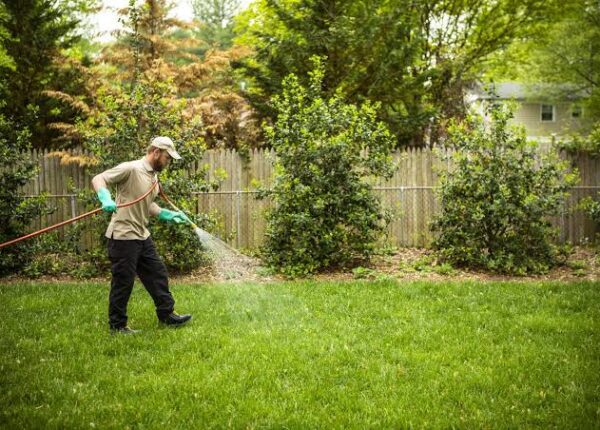
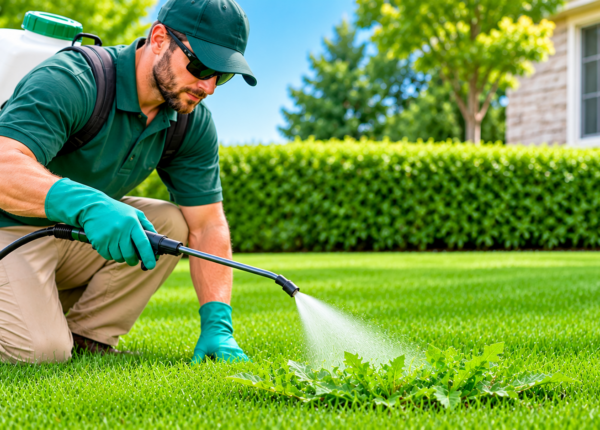
If weeds have already appeared, post-emergent treatments may help control actively growing weeds.
These products are designed to target existing weeds rather than prevent seeds from germinating.
Common targets include:
- Dandelions
- Broadleaf plantain
- White clover
- Chickweed
- Other unwanted broadleaf weeds
The correct treatment depends on the weed species, grass variety, weather conditions, and product label instructions.
Applying the wrong treatment can damage desirable grass. Professional identification and targeted applications can help avoid unnecessary lawn damage.
4. Core Aeration for Better Soil Conditions
Soil compaction can restrict root development, reduce water movement, and make it difficult for grass to grow properly.
Core aeration addresses this issue by removing small plugs of soil from the lawn. This creates pathways that allow air, water, and nutrients to reach the root zone more effectively.
Aeration can help:
- Improve soil structure.
- Support stronger root development.
- Reduce soil compaction.
- Improve water infiltration.
- Prepare suitable lawns for overseeding.
For cool-season lawns commonly found in Mississauga, early fall is often an excellent time for core aeration because grass can recover and establish new growth under favourable conditions.
5. Overseeding to Fill Thin and Bare Lawn Areas
Bare patches and thin grass areas create opportunities for weeds to grow.
Overseeding involves spreading grass seed over an existing lawn to increase turf density and improve coverage.
When combined with appropriate soil preparation, watering, and fertilization, overseeding can help establish a thicker lawn.
Early fall is generally a favourable period for overseeding cool-season grasses in Mississauga.
Choose a grass seed blend suitable for your lawn’s sunlight exposure, soil conditions, and existing grass variety.
Remember that some pre-emergent weed control products can prevent grass seed germination. Treatment schedules should therefore be coordinated carefully.
6. Proper Watering for Healthy Grass Growth
Watering plays an important role in preventing weeds because healthy grass needs sufficient moisture to develop strong roots.
Frequent, shallow watering can encourage shallow root development. Where soil and weather conditions allow, deeper and less frequent watering generally encourages roots to grow deeper into the soil.
Consider these watering practices:
- Water early in the morning to reduce evaporation.
- Adjust watering according to rainfall and temperature.
- Avoid creating consistently waterlogged soil.
- Monitor newly seeded areas more frequently.
- Check soil moisture before adding more water.
During hot Mississauga summers, lawns may require adjustments to their watering schedules depending on rainfall and soil conditions.
The goal is to maintain suitable moisture for grass without creating conditions that encourage disease or unnecessary weed growth.
How Lawn Fertilization Helps Prevent Weed Growth
Fertilization and weed control work together, but they perform different functions.
Fertilizer supports grass growth, while weed control treatments target unwanted plants. Combining the two as part of a suitable lawn care programme can help improve turf density and reduce opportunities for weeds.
For example, a lawn with thin grass coverage may have more exposed soil, allowing weed seeds to germinate more easily.
With appropriate fertilization, aeration, and overseeding, the grass can gradually develop better coverage.
However, fertilization alone will not eliminate established weeds. Existing weed problems may require separate identification and treatment.
A balanced lawn care programme should consider:
- Soil nutrient requirements.
- Existing weed populations.
- Grass type and lawn condition.
- Seasonal growing conditions.
- Appropriate fertilization and treatment schedules.
Best Time to Apply Weed Control Treatments in Mississauga
Timing is one of the most important factors in successful lawn care.
Mississauga experiences four distinct seasons, and each season creates different opportunities for weed prevention and grass maintenance.
| Season | Recommended Lawn Care Activities |
| Spring | Assess winter damage, fertilize when appropriate, and consider pre-emergent weed prevention. |
| Summer | Monitor weeds, water appropriately, mow regularly, and use suitable targeted treatments. |
| Early Fall | Aerate, overseed, fertilize when appropriate, and address actively growing perennial weeds. |
| Late Fall | Continue appropriate seasonal maintenance and prepare the lawn for winter. |
Spring Lawn Care
Spring is an important time to prepare your lawn for the growing season.
Remove accumulated debris, inspect thin areas, and identify weeds that may have survived winter.
Depending on soil temperatures and the weed species you want to prevent, a suitable pre-emergent treatment may be considered.
Summer Lawn Care
Summer heat can put additional stress on grass, particularly during extended dry periods.
Maintain appropriate mowing heights, avoid excessive fertilization during stressful conditions, and monitor the lawn for weed growth.
Fall Lawn Care
Fall is particularly valuable for cool-season lawn improvement.
Aeration, overseeding, and appropriate fertilization can help grass recover from summer stress and develop stronger roots before winter.
Fall is also a useful time to address certain established perennial weeds while they are actively growing.
Common Lawn Weeds Found in Mississauga
Identifying the weeds growing in your lawn helps determine which treatment will be most effective.
Here are some common weeds homeowners may encounter.
Dandelions
<escape>Dandelions (Taraxacum officinale)</escape> are recognizable by their yellow flowers and deep taproots.
They can spread through airborne seeds, making early identification and appropriate treatment important.
Crabgrass
<escape>Crabgrass (Digitaria species)</escape> is an annual grassy weed that commonly appears during warmer weather.
It often spreads in thin lawns, compacted soil, and areas with exposed ground.
Pre-emergent control, proper mowing, and maintaining dense turf can help reduce crabgrass problems.
White Clover
White clover is a low-growing perennial weed with distinctive three-part leaves and small white flowers.
It can spread through creeping stems and may become established in lawns with thin grass coverage.
Broadleaf Plantain
Broadleaf plantain has broad leaves that grow in a low rosette pattern.
It is commonly associated with compacted soil and disturbed lawn areas. Improving soil conditions and maintaining healthy turf can help reduce its establishment.
Chickweed
Chickweed is a low-growing weed that can spread across moist, shaded lawn areas.
Identifying it early and addressing the conditions that support its growth can help prevent further spread.
Lawn Care Mistakes That Encourage Weed Growth
Even when homeowners invest in lawn treatments, certain maintenance mistakes can make weed problems worse.
Avoid these common issues:
- Cutting Grass Too Short
Scalping the lawn reduces the grass’s ability to shade the soil. This can create favourable conditions for weed seed germination.
- Skipping Fertilization
Grass growing in nutrient-deficient soil may become thin and weak. However, fertilizer should only be applied according to actual lawn requirements.
- Overwatering the Lawn
Excessive watering can contribute to shallow roots, poor soil conditions, and lawn diseases.
- Ignoring Bare Patches
Uncovered soil provides space for weeds to establish. Repairing damaged areas through suitable overseeding can improve lawn coverage.
- Applying Weed Control at the Wrong Time
Herbicides work differently depending on the target weed, weather, growth stage, and application method.
Incorrect timing may reduce treatment effectiveness or damage desirable grass.
- Using the Same Treatment for Every Weed
Different weeds require different management approaches. Correct identification should come before selecting a treatment.
DIY Lawn Treatments vs. Professional Weed Control
Homeowners often wonder whether they should manage lawn weeds themselves or hire a professional lawn care provider.
Both approaches can work, depending on the lawn’s condition, the type of weeds present, and the homeowner’s experience.
| Factor | DIY Lawn Care | Professional Lawn Care |
| Weed Identification | Requires personal knowledge and research | Can include professional assessment |
| Treatment Selection | Homeowner selects products | Treatments can be selected based on lawn conditions |
| Application | Managed independently | Application handled by trained personnel |
| Lawn Monitoring | Homeowner tracks progress | May include scheduled follow-up assessments |
| Convenience | Requires time and effort | Reduces the homeowner’s maintenance workload |
| Treatment Planning | Often handled individually | Can follow a coordinated lawn care programme |
Professional weed control can be particularly useful when weeds are widespread, recurring, or difficult to identify.
A lawn care provider can assess the existing turf, identify potential causes of weed growth, and recommend suitable treatments.
For Mississauga homeowners looking for a more consistent approach, Weed-a-way can be considered when evaluating lawn care and weed management options.
How to Maintain a Thick and Healthy Lawn Throughout the Year
Preventing weeds is not a one-time activity. Consistent lawn maintenance helps create growing conditions that favour desirable grass.
Here are practical steps to include in your lawn care routine.
Maintain the Correct Mowing Height
Avoid cutting grass too short. Maintaining an appropriate mowing height helps grass shade the soil and compete with weeds.
The ideal height depends on your grass variety and seasonal conditions.
Improve Soil Quality
Compacted or nutrient-deficient soil can affect grass development.
Soil testing, aeration, and suitable amendments can help improve growing conditions.
Repair Bare Areas Quickly
Do not leave damaged or bare patches unattended. Overseeding at an appropriate time can help restore coverage.
Follow a Seasonal Fertilization Schedule
Grass has different nutrient requirements throughout the growing season.
Use a suitable fertilizer programme based on soil conditions, grass type, and local seasonal recommendations.
Monitor Weed Growth Regularly
Inspect your lawn for new weeds, thinning areas, and signs of stress.
Early identification makes it easier to choose the correct management approach before weeds spread further.
Why Choose Weed-a-way for Lawn Care in Mississauga?
Maintaining a healthy lawn requires a combination of proper treatment selection, consistent maintenance, and an understanding of local growing conditions.
For homeowners in Mississauga, choosing the right lawn care approach can make a difference in how effectively weeds are managed and how well grass develops.
Weed-a-way focuses on the importance of maintaining healthy lawns through suitable weed management and lawn care practices.
When evaluating a lawn care provider, look for:
- Knowledge of common local lawn weeds.
- Appropriate treatment recommendations.
- An understanding of seasonal lawn care requirements.
- Proper product selection and application practices.
- Clear communication about treatment schedules and expectations.
Whether your lawn has dandelions, crabgrass, broadleaf weeds, or thin grass coverage, choosing the right management strategy is an important step towards a healthier outdoor space.
Frequently Asked Questions
1. What is the best way to prevent weeds in lawn areas?
The best approach is to maintain thick, healthy grass through proper mowing, suitable fertilization, appropriate watering, aeration, and overseeding. Pre-emergent weed control can also help prevent certain annual weeds from establishing.
2. How often should I apply weed control treatments to my lawn in Mississauga?
The frequency depends on the weed species, lawn condition, treatment type, and product label instructions. Some lawns may need seasonal applications, while others require targeted treatments only when weeds appear. Avoid applying herbicides more frequently than permitted by the label.
3. When should I apply pre-emergent weed control in Mississauga?
Pre-emergent treatments are generally applied in spring before target weed seeds germinate. Soil temperature and local seasonal conditions are more reliable indicators than a fixed calendar date.
4. Does lawn fertilizer help prevent weeds?
Fertilizer does not directly kill weeds. However, when applied appropriately, it supports stronger grass growth and helps develop thicker turf. Dense grass can reduce the space and resources available for weeds to establish.
5. What is the best time to overseed a lawn in Mississauga?
Early fall is generally one of the best periods for overseeding cool-season lawns in Mississauga. Moderate temperatures and favourable soil conditions can support grass seed germination and establishment.
6. How can I get rid of dandelions in my lawn?
Dandelions can be managed through suitable targeted weed control, manual removal that extracts as much of the root as possible, and maintaining healthy turf. Established plants may require repeated monitoring and treatment according to product instructions.
7. Can weeds grow back after professional lawn treatment?
Yes. Weed treatments do not permanently prevent every weed from returning. New seeds can enter the lawn through wind, birds, soil, and surrounding properties. Regular maintenance and appropriate follow-up treatments help manage recurring growth.
8. Is professional weed control worth it for homeowners in Mississauga?
Professional weed control can be worthwhile when weeds are widespread, recurring, or difficult to identify. A suitable treatment programme can help homeowners manage weed problems while maintaining the health of desirable grass.
9. Can I fertilize and apply weed control at the same time?
It depends on the products being used. Some combination products are designed for this purpose, while separate treatments may require different application schedules. Always follow product labels and avoid combining products unless permitted.
10. How long does it take to see results from lawn weed control treatments?
Results vary depending on the weed species, treatment, weather, and lawn conditions. Some weeds may begin showing signs of decline within days, while complete control can take longer. Maintaining healthy turf is an ongoing process.
Give Your Mississauga Lawn the Care It Needs
A healthy lawn does not happen through occasional treatments alone. It requires the right combination of weed prevention, fertilization, soil improvement, watering, and regular maintenance.
By addressing weed problems early and supporting stronger grass growth, homeowners can reduce unwanted weed development and maintain a more attractive outdoor space.
If you are looking for ways to prevent weeds in lawn areas in Mississauga, Weed-a-way can be part of your search for an effective lawn care solution.
Take the next step towards a healthier lawn by exploring suitable weed control and lawn maintenance options. Contact Weed-a-way to discuss your lawn care needs and find an approach that supports healthier grass and better long-term weed management.