Grub Control
Grubs are among some of the most difficult lawn pests to deal with. They feed on the fibrous roots of grass causing your lawn to brown since it is unable to retain nutrients and moisture. Blue grass, bentgrass, and tall fescue are particularly vulnerable to severe damage by grub infestation, however, all grass types are susceptible.
Luckily, there are many control methods and preventative measures you can take to protect your lawn from grub damage. The sooner you take action, the less harm will be done to your lawn. Also, it is significantly easier to control grubs when they are immature. Seeking professional assistance, is by far the safest route to go.

How to Identify Grubs
Grubs can be identified as milky white, C-shaped larvae produced by various beetles species such as the Southern masked chafer, June bugs, and Japanese beetles. Grubs can be found throughout the year, however, their peak hatching and feeding season is anywhere from late spring to late summer. In order to effectively treat your lawn for grubs, it is important to first understand its life cycle.
The Life Cycle of Grubs:
Keep in mind that different species of beetles follow different breeding patterns. Some may have a one-year life cycle while others may have a three-year life cycle.
- Beetles typically emerge from the soil/turf between early to mid summer (May/June)
- After mating, they burrow into the soil of grassy or weedy areas where the female lays her eggs
- The eggs hatch around mid summer, in which the larvae grows fairly quickly
- The grubs tend to do most of their feeding around mid- August,causing noticeable damage to your lawn
- In the fall when the temperature drops, these grubs burrow deep into the soil and remain there during the winter
- With the arrival of spring, when the soil warms, they return to the surface of the soil and feed on the roots throughout the spring and summer, continuing their life cycle once again
How to Control Grubs
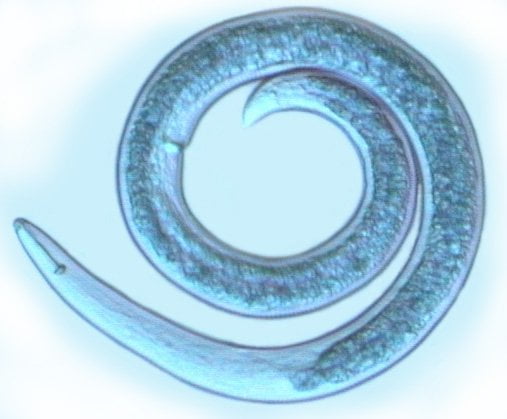
Natural Pest Control with beneficial Nematodes:
Beneficial Nematodes naturally occur in soil and are used to control insects whenever larvae or grubs are present. Like all of our products, it will not expose humans or animals to any health or environmental risks. Beneficial nematodes only attack soil dwelling insects and leave plants and earthworms alone. The beneficial nematodes enter the larva via mouth or respiratory openings and starts to feed. This causes specific bacteria to emerge from the intestinal tract of the nematode. These spread inside the insect and multiply very rapidly. The bacteria convert host tissues into products which can easily be taken up by the nematodes. The soil dwelling insect dies within a few days. Beneficial nematodes are a totally safe biological control in pest insects. The Beneficial nematodes are so safe the EPA has waived the registration requirements for application.
Note:
- Be sure to thoroughly irrigate your lawn after product application either immediately or within a day
- Delayed watering will not allow the nematodes to penetrate deep into the soil, making them less effective
- Without proper treatment, grubs are likely to return the following spring since they are deep grounded pests
- Always consult a lawn care professional, research, and follow product instructions carefully
- Remember to wear protective gear such as rubber gloves and boots when applying insecticides
- The best way to prevent grub infestation is to promote a healthy lawn that is deeply watered once a week, regularly fertilized and fed, properly mowed, and aerated well.