How Do Professional Mosquito Control Services Protect Your Backyard in Mississauga?
A backyard should be a place where you can relax, enjoy family gatherings, host summer barbecues, and spend time outdoors without constantly worrying about mosquito bites. However, during the warmer months in Mississauga, mosquitoes can quickly make outdoor spaces uncomfortable.
From patios and gardens to lawns and shaded corners, mosquitoes can become a persistent nuisance when suitable breeding and resting areas are available. Simply using mosquito repellent or installing outdoor bug lights may not be enough to address the problem around your property.
This is where professional mosquito control services in Mississauga can help. A properly planned mosquito management approach focuses on identifying potential breeding areas, reducing mosquito activity, and addressing the outdoor spaces where mosquitoes commonly rest.
At Weed-A-Way, we understand the importance of maintaining a comfortable outdoor environment. Learning how mosquitoes develop, where they hide, and how professional mosquito treatments work can help homeowners make informed decisions about protecting their properties.
In this guide, we explore how professional mosquito control services protect your backyard, what homeowners should expect from mosquito management, and which preventive steps can help reduce mosquito activity throughout the season.
Also Read More:
1. Why Is Mosquito Control Important for Mississauga Homeowners?
Mosquitoes are more than just an outdoor inconvenience. Their presence can interfere with everyday activities and make it difficult to enjoy your backyard during spring and summer.
Mississauga’s residential neighbourhoods include landscaped gardens, mature trees, shaded lawns, patios, and other outdoor features. While these elements make properties attractive, certain conditions can also provide mosquitoes with suitable breeding and resting environments.
Here are some reasons why mosquito control is important for local homeowners.
Making Outdoor Activities More Comfortable
Frequent mosquito activity can make outdoor activities frustrating. Whether you are enjoying an evening meal on the patio, gardening, or spending time with children, constant mosquito bites can interrupt your plans.
Professional mosquito management can help reduce mosquito activity in targeted outdoor areas, making these spaces more comfortable to use.
Reducing Potential Mosquito Breeding Sites
Mosquitoes lay their eggs in standing water. Even small amounts of accumulated water in flowerpot saucers, buckets, clogged gutters, and outdoor containers can create potential breeding sites.
Identifying and removing these sources is one of the most important steps in mosquito prevention.
Supporting Protection Against Mosquito-Borne Diseases
Certain mosquito species can transmit West Nile virus. Although the risk of infection varies, reducing mosquito exposure is an important part of outdoor protection.
The City of Mississauga and Peel Region provide mosquito-related public health information and encourage residents to eliminate standing water and take precautions against mosquito bites.
Maintaining a More Enjoyable Outdoor Environment
A well-maintained backyard should be comfortable throughout the warmer months. Addressing mosquito activity helps homeowners make better use of patios, decks, gardens, and recreational spaces.
2. Where Do Mosquitoes Breed and Hide in Your Backyard?
Understanding mosquito behaviour is essential for effective mosquito control. Treating visible mosquitoes alone may not address the conditions allowing their populations to develop.
Mosquitoes need water to complete their early life cycle, while adult mosquitoes often seek shaded, humid areas where they can rest.
Here are some common places to inspect around your Mississauga property.
Standing Water in Containers
Buckets, flowerpot saucers, watering cans, children’s toys, old tires, and unused containers can collect rainwater.
These items should be emptied regularly, cleaned when necessary, and stored upside down or under cover whenever possible.
Clogged Eavestroughs and Gutters
Leaves, dirt, and other debris can prevent water from flowing properly through eavestroughs. Accumulated water may create conditions suitable for mosquito breeding.
Regular gutter cleaning helps prevent unnecessary water accumulation.
Dense Shrubs and Garden Vegetation
Adult mosquitoes often rest in cool, shaded, and humid areas during the day. Dense shrubs, overgrown vegetation, and the undersides of leaves can provide suitable resting locations.
Maintaining your garden and trimming excessive vegetation can help reduce these sheltered areas.
Under Decks, Porches, and Outdoor Furniture
Shaded spaces beneath decks, porches, patio furniture, and other outdoor structures can provide mosquitoes with protection from direct sunlight and wind.
These areas should be included when inspecting a property for mosquito activity.
Low-Lying Areas of the Lawn
Uneven ground, poorly drained sections, and depressions in the lawn can allow rainwater to accumulate.
If water remains in these areas, homeowners should investigate the drainage problem and consider appropriate corrections.
Identifying these locations helps create a more effective mosquito prevention strategy.
3. How Do Professional Mosquito Control Services Protect Your Backyard?
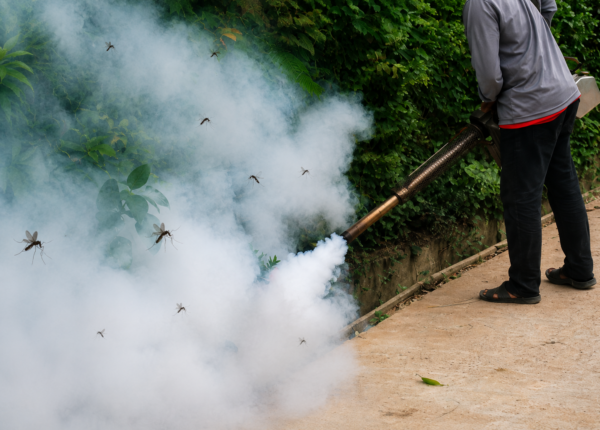
Professional mosquito control involves more than simply spraying an outdoor area. Effective management considers mosquito breeding conditions, adult mosquito resting locations, property layout, and appropriate treatment methods.
Depending on the property and mosquito activity, a professional mosquito management approach may involve several steps.
Step 1: Identifying Mosquito Hotspots
The first step is identifying the locations where mosquitoes are likely to breed or rest.
A property assessment may include examining:
- Shaded garden beds and dense shrubs.
- Areas beneath decks and porches.
- Standing water in containers and other outdoor objects.
- Damp and poorly drained sections of the lawn.
- Vegetation surrounding patios and outdoor seating areas.
- Other locations where mosquito activity is noticeable.
Identifying these areas helps determine which preventive measures or treatments may be appropriate.
Step 2: Addressing Potential Breeding Areas
Mosquitoes develop through several life stages, beginning with eggs, followed by larvae and pupae before emerging as adults.
Since the immature stages develop in water, eliminating standing water is one of the most effective ways to reduce mosquito breeding opportunities.
Depending on the situation, mosquito management may involve:
- Emptying water-holding containers.
- Improving drainage in areas where water collects.
- Cleaning clogged gutters.
- Removing unnecessary outdoor objects that collect rainwater.
- Addressing water sources that cannot be regularly emptied.
When standing water cannot be removed, an appropriate registered larvicide may be considered where permitted and suitable for the specific water source.
Step 3: Targeting Adult Mosquito Resting Areas
Adult mosquitoes frequently rest in shaded and protected locations during the day.
Where appropriate, professional outdoor mosquito treatments may target areas such as:
- Shrubs and ornamental vegetation.
- Undersides of leaves.
- Dense garden borders.
- Shaded areas beneath outdoor structures.
- Other suitable mosquito resting locations.
The treatment approach depends on the mosquito problem, property conditions, and products approved for the intended use.
Step 4: Using Appropriate Mosquito Treatment Methods
Professional mosquito control may involve targeted applications designed to manage adult mosquitoes or mosquito larvae.
Two common treatment categories include:
- Adulticides: Products used to control adult mosquitoes in suitable outdoor locations.
- Larvicides: Products used to control mosquito larvae in appropriate standing-water environments before they develop into adult mosquitoes.
These treatments serve different purposes. A suitable approach should be selected based on the property assessment, product label directions, and applicable Ontario requirements.
Step 5: Providing Preventive Recommendations
Professional mosquito management should also help homeowners understand how to reduce conditions that attract mosquitoes.
Recommendations may include regular yard maintenance, removing standing water, improving drainage, and keeping outdoor areas free from unnecessary water-holding objects.
Combining preventive measures with appropriate treatments can provide a more comprehensive approach to mosquito management.
4. What Areas of Your Property Need Mosquito Treatment?
Mosquitoes do not remain in one location. They can move between gardens, lawns, shrubs, and other outdoor areas depending on weather conditions and available shelter.
For this reason, mosquito management should consider the overall layout of your backyard rather than focusing exclusively on the patio or lawn.
Here are some areas that may require attention.
Backyard Gardens
Gardens with dense plants, shaded corners, and damp conditions can provide adult mosquitoes with suitable resting locations. Regular trimming and appropriate targeted treatment can help manage mosquito activity.
Patios and Decks
Outdoor seating areas are among the most frequently used parts of a residential property. Mosquito activity around patio furniture, deck railings, and nearby vegetation can make these spaces uncomfortable.
Lawn and Landscaping Areas
Poor drainage, overgrown vegetation, and water-holding objects can contribute to mosquito problems around lawns and landscaped sections.
Outdoor Entertainment Areas
Fire pits, pergolas, gazebos, and outdoor dining spaces may have surrounding vegetation or shaded areas where mosquitoes rest.
Paying attention to these locations can help homeowners enjoy their outdoor spaces with fewer mosquito interruptions.
5. Professional Mosquito Control vs. DIY Mosquito Treatments
Many homeowners try to manage mosquito problems using store-bought sprays, citronella candles, mosquito coils, or electronic repellents.
While some products can provide temporary personal protection or help in specific situations, they may not address the underlying conditions contributing to mosquito activity.
Here is how professional mosquito management compares with common DIY approaches.
| Factor | DIY Mosquito Treatments | Professional Mosquito Control |
| Property assessment | Usually limited to visible problem areas | Can include a broader assessment of the property |
| Breeding site identification | Depends on homeowner inspection | Can help identify less obvious breeding locations |
| Treatment selection | Homeowner selects available products | Treatment options can be selected according to the property and pest conditions |
| Adult mosquito management | May offer limited or temporary relief | Can include targeted treatment of suitable resting areas |
| Preventive recommendations | Homeowner researches and implements measures | Can include property-specific prevention guidance |
| Application knowledge | Depends on the homeowner’s experience | Trained professionals can apply appropriate products according to requirements |
DIY prevention remains important, particularly when it comes to eliminating standing water. However, persistent mosquito problems may require a more structured approach.
Professional mosquito control services can help homeowners understand where mosquito activity originates and which management measures are appropriate for their property.
6. How Can You Prepare Your Backyard for Mosquito Control?
Preparing your outdoor space before a mosquito treatment can help make the process more organised and support the recommended treatment plan.
Here are some practical steps Mississauga homeowners can follow.
Remove Unnecessary Standing Water
Empty buckets, flowerpot saucers, children’s toys, and other containers that collect rainwater.
For water features or containers that cannot be emptied, seek appropriate advice about suitable mosquito prevention methods.
Clean Your Gutters
Remove accumulated leaves and debris from eavestroughs so rainwater can flow freely.
Trim Overgrown Vegetation
Maintain shrubs, hedges, and garden borders to reduce excessive vegetation and improve airflow around outdoor spaces.
Check Your Lawn for Drainage Issues
Look for areas where water remains after rainfall. Addressing drainage issues can help prevent recurring standing water.
Prepare Outdoor Furniture and Equipment
Follow the service provider’s instructions regarding patio furniture, toys, gardening equipment, pet bowls, and other items in the treatment area.
Follow All Treatment Safety Instructions
Before any professional application, ask about preparation requirements and the product being used.
Follow all instructions regarding people, pets, treated surfaces, and re-entry times. These requirements depend on the specific product label and application.
7. How Often Should You Schedule Mosquito Control Services?
The frequency of mosquito control treatments depends on several factors, including mosquito activity, weather conditions, property layout, vegetation density, and the treatment product being used.
Properties with extensive landscaping, shaded areas, and nearby water sources may experience different mosquito pressures than properties with fewer potential resting and breeding locations.
Some homeowners may require seasonal mosquito management, while others may benefit from additional attention when mosquito activity increases.
It is important not to assume that every mosquito treatment provides the same duration of protection.
A professional assessment can help determine:
- The level of mosquito activity around your property.
- Whether breeding sites are contributing to the problem.
- Which treatment methods are appropriate.
- Whether additional treatments may be necessary.
- Which preventive steps should be maintained between visits.
Following a property-specific treatment schedule is generally more useful than relying on a fixed number of applications for every backyard.
8. When Is the Best Time for Mosquito Control in Mississauga?
Mosquito activity in Mississauga generally increases during the warmer months, with mosquitoes commonly present from spring through early fall.
Health Canada identifies May to September as a common mosquito season across much of Canada, although local activity varies with temperature, rainfall, and environmental conditions.
Spring: Start Preventive Measures Early
Spring is a good time to inspect your property after winter. Clean gutters, remove accumulated debris, and check containers or low-lying areas that may collect rainwater.
Addressing these issues early can help reduce potential breeding opportunities.
Summer: Manage Increasing Mosquito Activity
Summer often brings warmer temperatures and outdoor activities. Regular property inspections and appropriate mosquito management can help address increasing mosquito activity.
Late Summer and Early Fall: Continue Monitoring
Mosquitoes can remain active into early fall, depending on weather conditions. Continue removing standing water and maintaining your yard until temperatures and mosquito activity decrease.
For homeowners in Mississauga, a proactive approach throughout the warmer months is more effective than waiting until mosquitoes become a major nuisance.
9. Frequently Asked Questions About Mosquito Control Services
- How do professional mosquito control services work?
Professional mosquito control services typically involve assessing the property, identifying potential breeding and resting locations, and selecting suitable management methods. Depending on the conditions, treatments may target adult mosquitoes or larvae, while preventive recommendations help reduce future mosquito breeding.
- Are professional mosquito control services worth it in Mississauga?
Professional mosquito control can be worthwhile for homeowners experiencing persistent mosquito activity around their lawns, gardens, patios, or decks. A property-specific approach can help identify mosquito hotspots and determine suitable treatment and prevention measures.
- How long does professional mosquito treatment last?
The duration of mosquito treatment depends on the product used, application method, weather conditions, vegetation, and mosquito pressure. There is no universal treatment duration. Ask your service provider about the expected performance and recommended treatment schedule.
- Does mosquito spraying eliminate all mosquitoes in my backyard?
No mosquito treatment can guarantee the complete elimination of mosquitoes. New mosquitoes can enter a property from surrounding areas, and untreated breeding locations may contribute to continued activity. Combining appropriate treatments with standing-water prevention is important.
- What attracts mosquitoes to a backyard?
Mosquitoes are attracted to several environmental and biological cues, including carbon dioxide, body heat, and certain body odours. Shaded, humid locations also provide suitable resting areas. Standing water is particularly important because mosquitoes use it to lay their eggs.
- Can mosquitoes breed in small amounts of standing water?
Yes. Mosquitoes can breed in surprisingly small amounts of stagnant water. Flowerpot saucers, buckets, toys, clogged gutters, and other water-holding objects should be inspected and emptied regularly.
- Is professional mosquito spraying safe for pets and children?
Safety depends on the product, application method, and instructions on the pesticide label. Homeowners should ask their service provider about precautions, including required waiting periods and when children and pets can return to treated areas. Never assume that an outdoor treatment is immediately safe to enter.
- When should I start mosquito control in Mississauga?
It is sensible to begin preventive yard maintenance in spring, before mosquito activity becomes more noticeable. The appropriate time for professional treatment depends on local mosquito activity, weather, and the property’s conditions.
- Does mosquito control help reduce the risk of West Nile virus?
Reducing mosquito populations and limiting exposure to mosquito bites can help lower the opportunity for transmission. However, mosquito treatments do not guarantee protection against West Nile virus. Personal precautions, such as using an approved insect repellent and wearing protective clothing, remain important.
- What can I do between professional mosquito treatments?
Empty standing water weekly, clean gutters, maintain shrubs, correct drainage issues, and remove outdoor objects that collect rainwater. Use an approved personal insect repellent when spending time outdoors, particularly during periods of increased mosquito activity.
10. Make Your Backyard More Enjoyable with Professional Mosquito Control
Your backyard should be a place to enjoy the warmer months, not somewhere you constantly have to avoid because of mosquitoes.
From identifying potential breeding sites to managing adult mosquito resting areas, a well-planned mosquito control approach can help reduce mosquito activity and make your outdoor environment more comfortable.
For homeowners looking for mosquito control services in Mississauga, Weed-A-Way understands the importance of maintaining healthy, well-cared-for outdoor spaces.
Along with regular yard maintenance and standing-water prevention, appropriate professional mosquito management can help address the conditions that contribute to mosquito problems.
Ready to Enjoy Your Backyard Without Constant Mosquito Disturbances?
Don’t let mosquitoes take over your outdoor plans this season. Contact Weed-A-Way to discuss your mosquito control needs and explore suitable solutions for your Mississauga property.
Take the first step towards a more comfortable backyard and make the most of your outdoor space this season.