How to Repair Lawn Damage After a Grub Infestation in Georgetown
A healthy, green lawn can quickly become patchy, brown, and unhealthy when lawn grubs damage the grass roots beneath the soil. For homeowners in Georgetown, Ontario, grub infestations can become a frustrating lawn care problem, particularly when affected grass begins to loosen, dry out, or die.
Lawn grubs are the immature stages of certain beetles, including European chafer and Japanese beetles. These white, C-shaped larvae feed on grass roots below the surface, preventing the lawn from absorbing water and nutrients effectively. As the infestation progresses, damaged grass may turn brown and become easy to pull away from the soil.
The good news is that a lawn damaged by grubs can often recover with the right treatment and restoration plan. However, repairing the damage requires more than simply watering or adding fertilizer. Homeowners need to identify the infestation, address the remaining grub population when necessary, and encourage healthy grass to grow back.
At Weed-a-way, understanding the relationship between grub control and lawn recovery is important when planning effective lawn maintenance. This guide explains how Georgetown homeowners can identify grub damage, restore affected grass, and protect their lawns against future infestations.
Also Read More:
What Does Lawn Damage from Grubs Look Like?
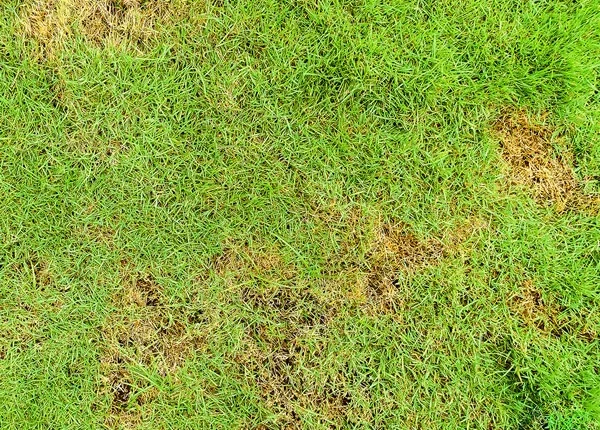
Lawn grub damage occurs when beetle larvae feed on grass roots beneath the soil. As roots become damaged, grass loses its ability to absorb sufficient moisture and nutrients.
This can create noticeable changes in the appearance and condition of your lawn.
Some common signs include:
- Irregular brown patches: Sections of grass begin turning yellow or brown despite receiving adequate water.
- Loose grass: Damaged turf may lift easily because the roots are no longer firmly attached to the soil.
- Visible white larvae: C-shaped white grubs may be present just below the soil surface.
- Increased animal activity: Skunks, raccoons, and birds may dig into lawns while searching for grubs.
- Declining grass coverage: Heavily affected areas may eventually become bare patches.
Not every brown lawn patch indicates a grub infestation. Drought stress, fungal diseases, poor drainage, and other lawn problems can produce similar symptoms.
Therefore, inspecting the soil and identifying the underlying cause should be the first step before beginning lawn restoration.
How to Confirm a Grub Infestation Before Repairing Your Lawn
Before investing in lawn repair, determine whether grubs are actually responsible for the damage.
Treating the wrong problem can waste time and money while allowing the real issue to continue.
1. Inspect the Damaged Grass
Start by examining the affected areas.
Look for irregular brown patches, thinning grass, and sections of turf that appear disconnected from the soil.
Grub-damaged grass often has poorly developed roots because larvae have been feeding beneath the surface.
2. Perform a Soil Inspection
Cut a small section of affected turf and carefully lift it to inspect the soil underneath.
Look for white, C-shaped larvae near the grass roots.
A few grubs do not automatically indicate a serious infestation. The number of larvae, their species, the condition of the turf, and the extent of the damage all matter.
3. Identify the Type of Grubs
Different beetle species have different life cycles and treatment requirements.
Common lawn pests in Ontario include:
European Chafer: European chafer larvae feed on grass roots and can cause significant turf damage. Their presence may also attract animals that dig through lawns.
Japanese Beetle: Japanese beetle larvae are another type of white grub that can damage grass roots. Adult beetles may also feed on ornamental plants and other vegetation.
Correct identification helps determine the most appropriate treatment and timing.
4. Determine Whether the Lawn Is Still Recoverable
Inspect the condition of the remaining grass.
If some roots and grass crowns remain healthy, the affected sections may recover with suitable care.
However, completely dead or severely damaged patches may require soil preparation and reseeding or new turf installation.
How to Repair Lawn Damage After a Grub Infestation
Once the infestation has been identified and the appropriate grub management strategy has been determined, the next step is restoring the damaged lawn.
Follow these steps to encourage healthier grass growth.
1. Address the Grub Infestation First
Before repairing the lawn, determine whether active grubs are still present at damaging levels.
If the infestation continues, newly seeded grass may become damaged again.
Grub control treatments should be selected according to the identified species, larval stage, soil conditions, and local regulations.
Some preventive products are designed to target young larvae, while other approaches may be more appropriate for an existing infestation.
Not every grub treatment works immediately, and some products are not effective against all larval stages.
For Georgetown homeowners, professional assessment can help determine whether treatment is necessary before starting extensive lawn restoration.
2. Remove Dead and Severely Damaged Grass
After addressing the infestation, inspect the affected lawn sections.
Remove grass that is completely dead, loose, or no longer attached to the soil.
Use a rake to clear dead grass, accumulated thatch, and debris from the damaged areas.
Avoid removing healthy grass unnecessarily. Keeping surviving turf helps preserve existing coverage and reduces the amount of reseeding required.
3. Prepare the Soil for New Grass Growth
Grub damage can leave soil exposed, uneven, and compacted.
Preparing the ground properly helps new grass establish more successfully.
Consider the following steps:
- Remove loose dead grass and debris.
- Loosen the upper layer of soil in bare areas.
- Break up compacted soil where necessary.
- Add a suitable quantity of quality topsoil or compost when appropriate.
- Level the surface before applying grass seed.
If the soil has significant compaction or drainage problems, these issues should also be addressed during restoration.
4. Choose the Right Grass Seed
Selecting an appropriate grass seed mixture is important for successful lawn recovery.
Cool-season grasses commonly used in Ontario include:
Kentucky Bluegrass: Known for its dense growth and ability to spread through underground stems called rhizomes.
Perennial Ryegrass: Often establishes relatively quickly and can help fill damaged lawn areas.
Fine Fescue: Useful for certain shaded or lower-maintenance areas, depending on the variety.
The best mixture depends on sunlight exposure, soil conditions, existing grass, and the intended use of the lawn.
For a consistent appearance, choose seed that is compatible with your existing turf.
5. Overseed or Reseed the Damaged Areas
If the lawn has thin sections with surviving grass, overseeding may help improve coverage.
For completely bare patches, prepare the soil and apply grass seed at the recommended rate.
After spreading the seed:
- Gently rake it into the soil.
- Ensure good seed-to-soil contact.
- Apply a light covering of suitable topsoil if needed.
- Water carefully to maintain consistent moisture.
Avoid burying grass seed too deeply, as this can interfere with germination.
6. Water the Repaired Lawn Properly
New grass seed needs consistent moisture to germinate and establish roots.
Water lightly and regularly, adjusting the schedule according to rainfall, temperature, and soil conditions.
As the grass becomes established, gradually transition towards deeper and less frequent watering.
Avoid excessive irrigation because waterlogged soil can interfere with root development and encourage lawn diseases.
7. Apply Fertilizer When Appropriate
Fertilization can support new grass growth and help the lawn recover after an infestation.
However, fertilizer should not be treated as a substitute for grub control.
Choose a starter fertilizer only when appropriate for the soil and seed requirements. Follow the product label and avoid excessive applications.
A soil test can help determine whether additional nutrients are needed.
8. Maintain the Lawn During Recovery
Newly established grass requires careful maintenance.
Avoid heavy foot traffic on repaired areas until the grass is sufficiently established.
Wait until the new grass reaches an appropriate mowing height before cutting it for the first time.
Use sharp mower blades and avoid cutting too much grass in a single session.
Regular monitoring will help identify any new weed growth, dry patches, or signs of recurring grub damage.
Best Time to Repair Grub-Damaged Lawns in Georgetown
Timing plays an important role in successful lawn restoration.
Georgetown experiences seasonal weather conditions that influence grass growth, seed germination, and grub activity.
For many cool-season lawns in the area, early fall is generally an excellent time for repairing damaged grass.
Spring Lawn Repair
Spring can be suitable for repairing bare areas, particularly when damage is identified after winter.
However, soil temperatures, moisture, and weed competition should be considered before overseeding.
Some pre-emergent weed control products can interfere with grass seed germination, so treatment schedules must be coordinated carefully.
Summer Lawn Repair
Summer can be challenging for lawn restoration because high temperatures and dry conditions may place stress on newly established grass.
Small damaged sections can sometimes be repaired with careful watering and maintenance, but major reseeding projects may be better postponed until cooler weather.
Fall Lawn Repair
Early fall is often the preferred period for major lawn restoration in Georgetown.
Cooler temperatures and favourable growing conditions can help cool-season grass seed germinate and establish before winter.
Fall is also a useful time to assess grub-related damage and address other lawn maintenance requirements.
How to Prevent Future Lawn Grub Infestations
Repairing grub damage is only part of maintaining a healthy lawn. Preventive lawn care can help reduce the likelihood of recurring problems.
1. Monitor Your Lawn Regularly
Inspect your property throughout the growing season.
Look for irregular brown patches, thinning grass, and unusual animal digging.
Early identification can help prevent a small problem from developing into extensive turf damage.
2. Maintain Healthy Grass Coverage
Thick, healthy grass is better equipped to tolerate normal environmental stress.
Maintain appropriate mowing heights, fertilize according to soil requirements, and repair bare areas when conditions are suitable.
Healthy turf also reduces opportunities for weeds to establish.
3. Follow Appropriate Grub Prevention Treatments
Preventive grub control may be useful where recurring infestations or local pest pressure justify it.
The correct application window depends on the grub species and product.
Some preventive treatments are most effective against young larvae, making seasonal timing important.
Always follow the pesticide label and applicable Ontario requirements.
4. Improve Soil Conditions
Healthy soil supports better root development and grass establishment.
Aeration may help address compaction, while appropriate soil amendments can improve growing conditions when needed.
5. Avoid Excessive Irrigation
Water your lawn according to its actual moisture requirements.
Consistently waterlogged conditions can contribute to other lawn problems and should be avoided.
A balanced watering routine helps maintain healthy turf without creating unnecessary stress.
DIY Lawn Repair vs. Professional Grub Treatment
Homeowners may be able to repair small damaged lawn sections themselves. However, widespread grub damage or recurring infestations can require a more structured approach.
| Factor | DIY Lawn Repair | Professional Lawn Care |
| Grub Identification | Requires research and inspection | Can include professional pest identification |
| Treatment Selection | Homeowner chooses suitable products | Recommendations based on infestation conditions |
| Lawn Restoration | Requires personal time and effort | Can include a planned restoration approach |
| Treatment Timing | Homeowner monitors seasonal conditions | Can include scheduled treatment planning |
| Follow-Up | Managed independently | May include follow-up assessments |
| Convenience | Requires regular personal attention | Reduces the homeowner’s maintenance workload |
Professional assistance can be particularly useful when the infestation is widespread, the grub species is uncertain, or the lawn continues deteriorating after treatment.
A suitable provider can help assess the damage, determine whether active grubs remain, and recommend appropriate restoration steps.
Common Mistakes to Avoid When Repairing Grub Damage
Some lawn restoration mistakes can delay recovery or cause additional damage.
Avoid the following:
- Reseeding Before Addressing Active Grubs
New grass can become damaged if an active infestation continues. Assess the infestation and determine whether treatment is necessary first.
- Applying Excessive Fertilizer
More fertilizer does not automatically mean faster grass recovery. Excessive nutrients can damage grass and contribute to environmental runoff.
- Watering Too Frequently
Newly seeded areas need moisture, but excessive watering can create poor growing conditions.
- Using the Wrong Grass Seed
Grass varieties differ in sunlight requirements, growth habits, and maintenance needs. Choose seed that suits your property.
- Ignoring Soil Preparation
Simply scattering grass seed over bare, compacted soil may result in poor germination. Proper preparation improves seed-to-soil contact.
- Treating Every Brown Patch as Grub Damage
Drought, disease, and other lawn problems can create similar symptoms. Confirm the underlying cause before selecting a treatment.
When Should You Consider Professional Grub Control in Georgetown?
Professional grub treatment may be worth considering when lawn damage is extensive or continues returning despite regular maintenance.
Look for professional assistance if:
- Large sections of grass are turning brown.
- Turf can be lifted easily from the soil.
- Skunks or raccoons repeatedly dig through your lawn.
- White grubs are found in significant numbers.
- Previous treatments have not resolved the problem.
- You need help identifying the correct treatment period.
- Your lawn requires both grub management and restoration.
Weed-a-way is a business Georgetown homeowners can consider when exploring lawn care and weed management options.
Before arranging treatment, ask about the provider’s available grub control services, product selection, application timing, and lawn restoration recommendations.
Choosing an appropriate treatment strategy is important for managing existing infestations while supporting the recovery of damaged grass.
Frequently Asked Questions
1. Can a lawn recover after a grub infestation?
Yes. A lawn can often recover if the infestation is managed and the grass roots or growing points remain healthy. Severely damaged or completely dead sections may require soil preparation, reseeding, or new turf.
2. How do I know if grubs are damaging my lawn?
Common signs include irregular brown patches, loose grass that lifts easily, visible white C-shaped larvae in the soil, and increased digging activity from skunks or raccoons.
3. When is the best time to treat lawn grubs in Georgetown?
Treatment timing depends on the grub species and its life cycle. Preventive treatments targeting young larvae are generally applied during the appropriate summer window, while established infestations may require a different approach. Always follow product-specific instructions.
4. How long does it take for grass to recover after grub damage?
Recovery depends on the extent of root damage, grass variety, soil conditions, weather, and restoration method. New grass may begin germinating within one to three weeks under suitable conditions, but establishing a healthy lawn can take considerably longer.
5. Should I reseed my lawn after grub treatment?
If grass has died or large bare areas remain, reseeding may be necessary. If the existing grass is still healthy enough to recover, additional seed may not be required. Assess the lawn before deciding.
6. Do grubs attract skunks and raccoons?
Yes. Skunks and raccoons may dig through lawns while searching for grubs and other soil-dwelling insects. Repeated digging can create additional turf damage.
7. Can fertilizer kill lawn grubs?
No. Regular lawn fertilizer is designed to supply nutrients to grass, not control grubs. Grub management requires an appropriate pest control strategy.
8. Is fall a good time to repair grub-damaged grass?
Yes. Early fall is generally an excellent time to repair many cool-season lawns in Georgetown because moderate temperatures and suitable soil conditions support grass seed establishment.
9. How can I prevent grubs from returning to my lawn?
Maintain healthy turf, monitor your lawn regularly, identify pest problems early, and consider suitable preventive treatments when justified. Treatment selection and timing should be based on the grub species and product instructions.
10. Is professional grub treatment worth it?
Professional grub treatment can be valuable when infestations are widespread, recurring, or difficult to identify. A professional assessment can help determine whether treatment is necessary and how to restore the affected lawn.
Restore Your Georgetown Lawn with the Right Treatment Approach
Grub infestations can cause significant damage to residential lawns, but the right combination of pest management and lawn restoration can help bring damaged grass back to a healthier condition.
From identifying white grubs and managing active infestations to preparing soil, overseeding, and maintaining proper watering practices, every step contributes to successful lawn recovery.
For Georgetown homeowners dealing with recurring grub damage, taking action early can help prevent further deterioration and reduce the amount of restoration work required.
If you are exploring ways to restore your lawn after a grub infestation, consider Weed-a-way when comparing local lawn care and weed management options. Ask about available treatment services and the best approach for maintaining healthier grass throughout the growing season.
Start with a proper lawn assessment and choose a treatment plan that addresses the underlying problem, not just the visible damage.