How Lawn Aeration Helps Fix Compacted Soil in Georgetown Lawns
 A healthy lawn depends on healthy soil. When soil becomes compacted, grass roots can struggle to access the air, water, and nutrients they need for strong growth. Over time, compacted soil can contribute to thin grass, poor drainage, weak roots, bare patches, and an overall decline in lawn health.
For homeowners in Georgetown, regular foot traffic, lawn equipment, seasonal weather, and soil conditions can all contribute to compaction. Fortunately, lawn aeration in Georgetown can help relieve compaction and create a better environment for grass roots.
This guide explains what soil compaction is, how it affects your lawn, how aeration works, and when professional lawn aeration services may be beneficial.
What Is Soil Compaction?
Soil compaction occurs when soil particles become pressed tightly together, reducing the spaces between them.
Healthy soil contains spaces that allow air and water to move through the root zone. When these spaces become restricted, grass roots may have difficulty accessing the resources necessary for healthy development.
Compaction can occur gradually, meaning homeowners may not notice a problem immediately. Eventually, however, the lawn may begin showing visible signs of stress.
Why Does Soil Become Compacted?
Several factors can contribute to compacted soil in residential lawns.
Heavy Foot Traffic
People regularly walking across the same areas can gradually compress the soil. This is particularly common around entrances, patios, play areas, and frequently used sections of the yard.
Children and Pets
Regular outdoor activity from children and pets can contribute to compaction, especially in high-use areas.
Lawn Equipment
Repeated use of heavy equipment can place pressure on the soil surface.
Wet Soil
Walking or operating equipment on excessively wet soil can increase the risk of compaction because wet soil is more easily compressed.
Natural Soil Conditions
Some soils are naturally more prone to compaction than others. Dense or clay-heavy soils may require particular attention when it comes to lawn maintenance.
How Compacted Soil Affects Georgetown Lawns
Compaction affects more than the appearance of your lawn. It can interfere with the conditions grass needs below the surface.
Common effects include:
- Restricted root growth
- Poor water penetration
- Increased surface runoff
- Reduced airflow around roots
- Limited nutrient movement
- Thin grass
- Patchy growth
- Increased lawn stress
- Poor recovery from foot traffic
If compaction becomes severe, simply adding fertilizer or increasing watering may not solve the underlying problem.
What Is Lawn Aeration?
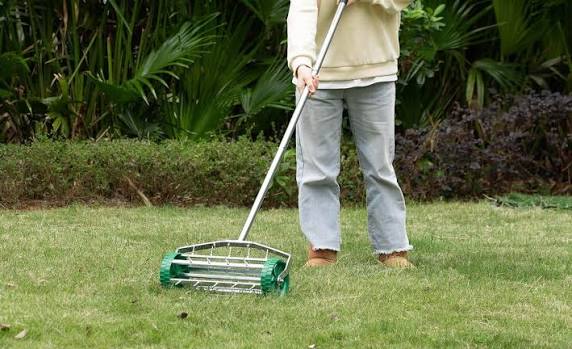
Lawn aeration is a process used to relieve soil compaction by creating openings in the soil.
Core aeration, for example, removes small plugs of soil from the lawn. These openings create pathways through which air, water, and nutrients can move into the root zone.
The objective isn’t simply to make holes in the lawn. Proper aeration is intended to improve the growing environment around grass roots.
For homeowners dealing with compacted turf, professional lawn aeration services in Georgetown can be an important part of a broader lawn-care strategy.
How Lawn Aeration Helps Fix Compacted Soil
1. Improves Air Movement in the Soil
Grass roots need oxygen to support healthy biological activity and root development.
Compacted soil has fewer open spaces, which can restrict airflow.
Aeration creates additional pathways through the soil, allowing air to move more effectively around the root zone.
Better soil aeration can help create more favorable conditions for healthy roots.
2. Helps Water Reach Grass Roots
One of the most noticeable symptoms of compacted soil is water that sits on the surface or runs off instead of penetrating the soil.
Aeration can create channels that allow water to move deeper into the root zone.
This can improve the lawn’s ability to make use of available moisture and may reduce problems associated with surface runoff.
3. Improves Nutrient Movement
Grass requires nutrients for healthy growth, but compacted soil can restrict movement through the root zone.
Once the soil has been aerated, water and nutrients can move through newly created openings more effectively.
Aeration can therefore complement a properly timed fertilization program.
4. Encourages Stronger Root Growth
Strong roots provide the foundation for healthy turf.
When soil is tightly compacted, roots may encounter physical resistance as they attempt to grow.
Aeration opens sections of the soil and creates additional space for root development. Over time, this can contribute to a deeper and more established root system.
5. Reduces Surface Water Runoff
When soil cannot absorb water effectively, rainfall or irrigation may flow across the surface.
This can result in:
- Water pooling
- Muddy areas
- Erosion
- Uneven moisture
- Wasted irrigation
By creating pathways into the soil, aeration can help improve infiltration where compaction is contributing to poor water movement.
6. Supports Thicker Grass Growth
Grass needs access to air, water, nutrients, and sufficient root space.
When compacted soil limits these resources, turf can become thin and weak.
By improving the root-zone environment, aeration can support healthier grass growth when combined with appropriate mowing, watering, fertilization, and other lawn-care practices.
Signs Your Georgetown Lawn Has Compacted Soil
Not sure whether compaction is affecting your lawn?
Look for these potential signs:
Water Pools After Rain
If water remains on the surface long after rainfall, compacted soil may be one contributing factor.
Soil Feels Hard
Compacted soil may feel unusually firm and difficult to penetrate.
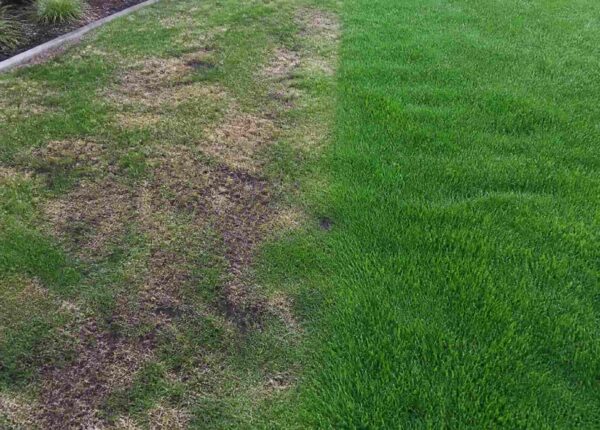
Grass Is Thin or Patchy
Weak root development can contribute to declining turf density.
Bare Areas Develop
Compaction combined with heavy traffic can cause grass to struggle in particular areas.
Water Runs Off
If irrigation or rainwater runs across the lawn rather than soaking in, soil compaction may be involved.
Grass Recovers Slowly
Heavily used areas that struggle to recover can be a sign that the soil needs attention.
However, these symptoms can have multiple causes. A professional lawn assessment can help determine whether compaction is actually the underlying issue.
When Should You Aerate Your Georgetown Lawn?
Timing depends on grass type, soil condition, weather, and the overall health of the lawn.
For many cool-season lawns in Ontario, late summer or early fall is often a favorable period for core aeration. During this period, grass can recover while cooler temperatures reduce some of the stress associated with peak summer heat.
Spring aeration may also be appropriate in certain situations.
The condition of the soil is important, too. Avoid aerating excessively wet soil because working saturated soil can potentially worsen compaction.
Rather than following a fixed calendar date, homeowners should consider the lawn’s actual condition and current weather conditions.
Why Choose Professional Lawn Aeration Services in Georgetown?
While homeowners can rent aeration equipment, professional service can provide several advantages.
Professional Equipment
Professional lawn-care providers use specialized aeration equipment designed to remove soil cores and create consistent openings.
Consistent Coverage
A professional can ensure that affected lawn areas receive appropriate coverage rather than leaving heavily compacted sections untreated.
Better Timing
Professionals can assess lawn and soil conditions and help determine whether the timing is suitable for aeration.
Integrated Lawn Care
Aeration often works best as part of a larger lawn-care plan. Depending on your lawn’s condition, this may include:
- Overseeding
- Fertilization
- Weed management
- Soil improvement
- Lawn repair
- Ongoing maintenance
A professional approach can help ensure these services are coordinated rather than performed independently.
Aeration and Overseeding: A Beneficial Combination
If your Georgetown lawn is both compacted and thin, aeration and overseeding can work well together.
Aeration creates openings in the soil, while overseeding introduces new grass seed into areas with poor turf density.
This combination can help improve:
- Seed-to-soil contact
- Grass density
- Root establishment
- Recovery of thin areas
- Overall lawn appearance
However, the lawn should be assessed first to determine whether overseeding is appropriate.
How to Care for Your Lawn After Aeration
Proper aftercare can help your lawn benefit from the improved soil conditions.
Follow Watering Recommendations
Newly aerated or seeded lawns may require appropriate moisture. Avoid both excessive watering and allowing the lawn to become excessively dry.
Avoid Heavy Traffic
Give the lawn time to recover, particularly if overseeding has also been performed.
Continue Appropriate Mowing
Maintain suitable mowing practices without removing too much of the grass blade at once.
Consider Overseeding Thin Areas
If your lawn has poor turf density, overseeding after aeration may help introduce new grass.
Follow Professional Recommendations
If a lawn-care professional performs the aeration, follow their specific instructions regarding watering, mowing, fertilization, and follow-up care.
Frequently Asked Questions About Lawn Aeration in Georgetown
How does lawn aeration fix compacted soil?
Aeration creates openings in compacted soil, improving the movement of air, water, and nutrients and creating more favorable conditions for grass root growth.
How do I know if my lawn needs aeration?
Hard soil, poor water penetration, surface runoff, pooling water, thin grass, and slow recovery from foot traffic can indicate possible compaction. However, these symptoms can have other causes as well.
How often should I aerate my Georgetown lawn?
Aeration frequency depends on soil type, lawn usage, compaction levels, grass condition, and other factors. High-traffic lawns may need more frequent attention than lightly used lawns.
Is lawn aeration good for grass roots?
Yes. By reducing some of the restrictions caused by soil compaction, aeration can create a better environment for grass root development.
Should I aerate before overseeding?
Aerating before overseeding can improve seed-to-soil contact by creating openings in the soil. The combination can be useful for lawns that are both compacted and thin.
Can aeration improve drainage?
Aeration can improve water infiltration when soil compaction is contributing to poor drainage. However, it will not correct major grading or drainage problems on its own.
Is spring a good time to aerate a lawn in Georgetown?
Spring can be appropriate depending on the lawn, grass type, and soil conditions. For many cool-season lawns, late summer or early fall is often a favorable period.
Can I aerate wet soil?
It is generally best to avoid aerating excessively wet soil. Working saturated soil can cause additional compaction and reduce the benefits of aeration.
Give Your Georgetown Lawn a Healthier Foundation
Compacted soil can quietly affect the health of your lawn from below the surface. When air, water, nutrients, and root growth are restricted, grass can become thin, weak, and increasingly difficult to maintain.
Professional lawn aeration services in Georgetown can help relieve compaction and create better conditions for healthy turf growth.
If your lawn has hard soil, poor water absorption, pooling water, or thinning grass, aeration may be an important step toward improving its condition.
Ready to Improve Your Georgetown Lawn?
Weed-A-Way can help you determine whether your lawn would benefit from professional aeration and other lawn-care treatments.
Contact Weed-A-Way today to learn more about lawn aeration services in Georgetown and give your lawn the healthier soil conditions it needs to grow.