How to Choose the Right Grub Treatment Service in Hamilton
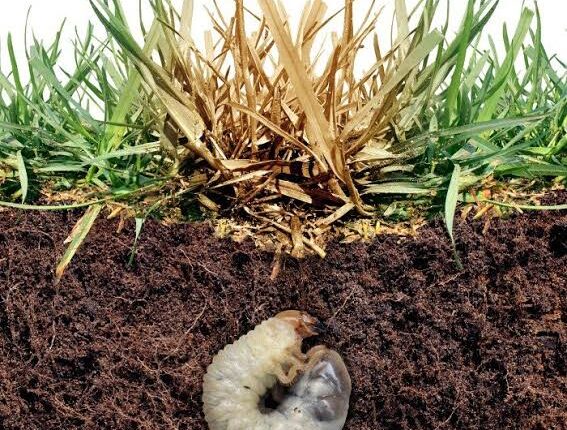
 A healthy, green lawn can quickly become thin, brown, or damaged when lawn grubs are left untreated. These small larvae live in the soil and feed on grass roots, weakening the turf from underneath. In severe cases, grub damage can leave large sections of a lawn loose, patchy, and vulnerable to additional problems.
For Hamilton homeowners, identifying the problem early and choosing the right grub treatment service in Hamilton can help prevent further lawn damage and support healthier turf.
However, not every lawn problem is caused by grubs, and not every treatment approach is suitable for every property. Choosing a professional service should involve more than simply comparing prices. Homeowners should consider experience, inspection practices, treatment methods, timing, safety information, and ongoing lawn-care recommendations.
This guide explains what to look for when selecting a professional grub treatment provider and how to make a more informed decision for your Hamilton lawn.
What Are Lawn Grubs?
Lawn grubs are the immature stages of certain beetles. They live below the soil surface and can feed on grass roots.
Because grubs operate underground, homeowners may not notice them immediately. Damage can become visible only after the grass has already experienced significant root loss.
A lawn with a grub problem may appear stressed even when homeowners are watering and maintaining it regularly.
The important point is that brown or thinning grass does not automatically mean grubs are present. Drought, disease, pests, soil compaction, poor drainage, and other lawn problems can produce similar symptoms.
This is why proper identification is an important first step.
How Grubs Damage Hamilton Lawns
Grass depends on a healthy root system to absorb water and nutrients.
When grubs feed on grass roots, they can reduce the lawn’s ability to maintain healthy growth. As root damage progresses, affected turf may become:
- Thin
- Brown or discoloured
- Weak
- Patchy
- Easily lifted from the soil
- More vulnerable to environmental stress
Severe infestations can result in noticeable sections of damaged turf.
Grub damage can also attract animals such as birds, raccoons, and skunks that search for larvae in the soil. Digging activity can create additional damage to an already stressed lawn.
Signs Your Lawn May Have a Grub Problem
Recognizing potential signs early can help homeowners investigate the issue before extensive damage occurs.
Brown or Dead Patches
If sections of your lawn are turning brown while other areas remain relatively healthy, pests may be one possible cause.
However, weather, irrigation, disease, and soil conditions should also be considered.
Turf That Lifts Easily
Grass affected by significant root damage may have a weakened connection to the soil. If sections of turf can be lifted unusually easily, it may warrant further investigation.
Increased Animal Activity
Birds, skunks, raccoons, and other animals may dig into lawns while searching for grubs and other insects.
Thinning Grass
A lawn experiencing root damage may gradually become thinner and weaker.
Visible Grubs
In some situations, homeowners may find white, C-shaped larvae beneath damaged sections of turf. If you find suspected grubs, professional identification can help determine the appropriate course of action.
Why Professional Grub Treatment May Be Necessary
Once a grub problem has been confirmed, homeowners may consider treating it themselves. However, choosing an appropriate treatment requires understanding the pest, its development stage, timing, and the condition of the lawn.
A professional grub treatment service in Hamilton can assess the lawn and determine whether treatment is appropriate.
Professional service can be particularly valuable when:
- Damage is spreading
- The cause of lawn damage is unclear
- The infestation appears extensive
- Previous DIY treatments have not worked
- You want a structured lawn-care approach
- You are concerned about applying products incorrectly
Professional treatment should focus on the specific problem rather than treating the lawn unnecessarily.
How to Choose the Right Grub Treatment Service in Hamilton
Choosing a provider involves evaluating both the treatment itself and the company’s overall approach to lawn care.
1. Look for Local Lawn-Care Experience
Local experience matters because lawn conditions can vary by region, soil type, weather patterns, grass species, and common pest activity.
When evaluating a grub treatment service in Hamilton, ask how long the company has provided lawn-care services and whether it regularly works with residential properties in the area.
A company familiar with local lawns may be better positioned to recognize common lawn problems and recommend appropriate solutions.
2. Ask for a Proper Lawn Inspection
Don’t choose a company that automatically assumes every brown lawn has grubs.
A reliable lawn-care provider should consider the symptoms and inspect the affected area before recommending treatment.
Other potential causes of lawn damage can include:
- Drought stress
- Lawn disease
- Chinch bugs
- Soil compaction
- Poor drainage
- Nutrient deficiencies
- Improper watering
- Winter damage
A proper assessment helps prevent unnecessary treatment and ensures that the actual problem is being addressed.
3. Understand the Treatment Approach
Before hiring a provider, ask what type of treatment they recommend and why.
A professional should be able to explain the general purpose of the treatment, how it is applied, and what homeowners should expect afterward.
Avoid choosing a company solely because it promises an instant or guaranteed result without explaining the underlying issue.
The treatment should be appropriate for the identified pest and applied according to applicable product directions and requirements.
4. Ask About Treatment Timing
Timing can significantly affect pest management.
Grub populations develop through different stages, and treatment effectiveness can depend on the pest species, life stage, environmental conditions, and product being used.
A knowledgeable provider should explain why a particular treatment period is recommended instead of simply offering the same treatment at any time of year.
5. Check Whether the Company Provides a Complete Lawn-Care Approach
Grub treatment addresses the pest problem, but your lawn may still require recovery afterward.
Ask whether the company can provide recommendations for restoring damaged turf.
Depending on lawn condition, recovery may involve:
- Lawn seeding
- Overseeding
- Aeration
- Fertilization
- Weed management
- Appropriate watering
- Ongoing lawn maintenance
A comprehensive approach can be more useful than treating the pest and leaving the homeowner to determine how to repair the resulting lawn damage.
6. Ask About Safety and Application Instructions
Before treatment, homeowners should understand any instructions associated with the service.
Ask about:
- How the treatment will be applied
- Whether people or pets need to stay away temporarily
- How long treated areas should remain undisturbed
- Whether watering is required
- What precautions homeowners should take
- What post-treatment instructions should be followed
A professional provider should clearly communicate these instructions rather than leaving homeowners uncertain about what to do after treatment.
7. Review Customer Feedback and Reputation
Online reviews can provide useful insight into a lawn-care company’s customer service and reliability.
When reading reviews, look for recurring feedback about:
- Professionalism
- Communication
- Punctuality
- Quality of service
- Treatment effectiveness
- Follow-up support
Don’t rely on a single review. Look for patterns across multiple customers and platforms where available.
8. Compare Value Instead of Price Alone
The cheapest grub treatment service in Hamilton isn’t necessarily the best option.
A low price may not include inspection, follow-up recommendations, lawn recovery guidance, or other services that could be important to your situation.
When comparing providers, consider:
- Inspection process
- Treatment method
- Experience
- Service coverage
- Communication
- Follow-up
- Overall lawn-care support
Think about the value of the complete service rather than focusing exclusively on the initial price.
9. Ask What Happens After Treatment
A good lawn-care provider should be able to explain what you can reasonably expect after treatment.
Ask questions such as:
- How long might it take to notice improvement?
- What lawn-care steps should I take afterward?
- Should damaged areas be reseeded?
- How should I water the lawn?
- Is follow-up treatment necessary?
- What signs indicate that additional evaluation is needed?
Understanding the post-treatment process can help you make better decisions about lawn recovery.
Common Mistakes to Avoid When Choosing a Grub Treatment Service
Choosing Based Only on Price
Price is important, but it shouldn’t be the only factor.
Treating Without Confirming the Problem
Not every brown lawn has grubs. Treating without identifying the cause can waste time and money.
Ignoring Lawn Recovery
Removing the pest doesn’t automatically restore damaged grass. Root damage may require additional lawn-care measures.
Waiting Until Damage Becomes Severe
Extensive lawn damage can take more time and effort to repair. Investigating suspicious symptoms early can help you make informed decisions.
Choosing a Provider That Doesn’t Explain the Process
Homeowners should understand what service they’re receiving and what they need to do before and after treatment.
How to Prepare Your Lawn for Grub Treatment
If professional treatment is recommended, follow the provider’s preparation instructions carefully.
Depending on the treatment plan, preparation may include:
- Identifying affected lawn areas
- Removing obstacles from the treatment area
- Following watering instructions
- Keeping children and pets away as directed
- Avoiding unnecessary lawn disturbance
- Following all post-treatment instructions
Do not make assumptions about treatment requirements. Always follow the specific instructions provided by the professional applying the treatment.
Frequently Asked Questions About Grub Treatment in Hamilton
How do I know if my Hamilton lawn has grubs?
Common signs can include irregular brown patches, thinning turf, turf that lifts easily, and increased animal digging. However, professional inspection can help distinguish grub damage from other lawn problems.
What is the best grub treatment service in Hamilton?
The right provider should offer proper lawn assessment, explain the recommended treatment, use appropriate application practices, communicate safety instructions, and provide guidance for lawn recovery.
Can grub damage kill my lawn?
Severe grub feeding can cause significant root damage and may result in large areas of weakened or dead turf. Early identification can help homeowners address the problem before damage becomes more extensive.
Should I treat my lawn for grubs every year?
Routine treatment is not necessarily appropriate for every lawn. Treatment decisions should be based on pest presence, risk factors, timing, and professional assessment rather than automatically treating every year.
How long does grub treatment take to work?
Results vary depending on the pest, treatment approach, environmental conditions, and extent of damage. A professional provider can explain what to expect from the specific treatment used.
Can I repair my lawn after grub damage?
Yes. Depending on the extent of damage, lawn recovery may involve watering, fertilization, aeration, seeding, overseeding, or other lawn-care practices.
Is professional grub treatment better than DIY treatment?
Professional treatment can be beneficial when the cause of lawn damage is uncertain, the infestation is extensive, or homeowners want expert assessment and application. DIY approaches may not address the correct pest or underlying lawn problem.
Can birds and animals indicate a grub infestation?
Increased digging or feeding activity from birds, skunks, raccoons, and other animals can be one possible indication of grubs. However, animal activity alone does not confirm an infestation.
Protect Your Hamilton Lawn With the Right Grub Treatment
Choosing the right grub treatment service in Hamilton is about more than finding the lowest price. A reliable provider should understand the cause of the lawn problem, assess the affected areas, recommend an appropriate treatment, explain safety requirements, and provide guidance for restoring damaged turf.
If your Hamilton lawn has developed unexplained brown patches, thinning grass, or signs of animal digging, don’t automatically assume the problem is grubs. Getting the lawn assessed can help determine the right next step.
Give Your Hamilton Lawn the Professional Care It Deserves
Weed-A-Way provides professional lawn-care solutions designed to help homeowners address common lawn problems and maintain healthier, stronger turf.
If you suspect a grub infestation, contact Weed-A-Way to learn more about grub treatment services in Hamilton and find the right approach for your lawn.