Professional Tick Control in Mississauga: What Homeowners Should Know
Spending time outdoors should be enjoyable, whether you are gardening, relaxing on your patio, walking your dog, or watching your children play in the backyard. However, ticks can make outdoor activities less comfortable and introduce health concerns for homeowners in Mississauga.
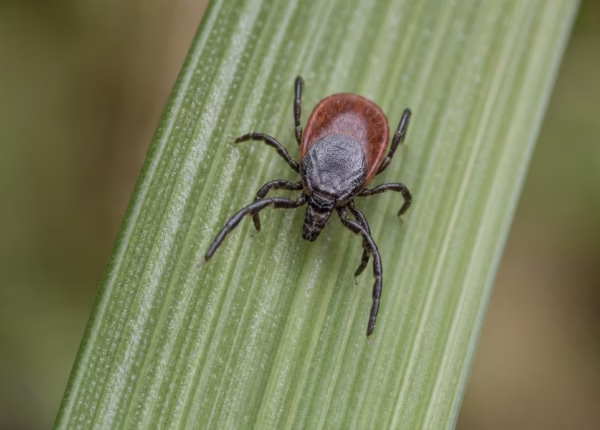
Ticks are commonly found in areas with tall grass, shrubs, leaf litter, wooded surroundings, and other sheltered environments. They can attach themselves to people and pets when they brush against vegetation. Some tick species, including black-legged ticks, can carry bacteria responsible for Lyme disease.
For homeowners, maintaining a clean and well-managed outdoor space is an important part of reducing potential tick encounters. However, mowing the lawn and removing visible weeds may not always address every area where ticks can be found.
This is where professional tick control in Mississauga can help. Professional property management and appropriate tick treatment approaches can help address tick-prone areas, reduce suitable habitats, and make residential outdoor spaces more manageable.
At Weed-A-Way, we understand that maintaining a healthy and comfortable outdoor environment involves more than keeping your lawn looking good. Knowing where ticks live, what attracts them, and how to reduce their presence can help homeowners take better care of their properties.
In this guide, we explain how professional tick control works, where ticks commonly hide, why prevention matters, and what Mississauga homeowners should know before arranging a tick treatment service.
Also Read More:
1. Why Is Tick Control Important for Mississauga Homeowners?
Ticks are small parasitic arachnids that feed on the blood of humans and animals. Unlike mosquitoes, which fly around and bite exposed skin, ticks generally wait on vegetation or remain in suitable habitats until a person or animal brushes against them.
Mississauga has a combination of residential neighbourhoods, parks, landscaped gardens, wooded areas, and natural green spaces. Properties located near dense vegetation or areas frequented by wildlife may have a greater chance of encountering ticks.
There are several reasons why homeowners should take tick prevention seriously.
Reducing the Risk of Tick Bites
Ticks can attach to exposed skin or clothing without being immediately noticed. Their bites are often painless, which means a person may not realise they have been bitten.
Reducing tick-friendly conditions around your property can help lower opportunities for contact.
Supporting Protection Against Lyme Disease
Certain black-legged ticks can carry the bacteria responsible for Lyme disease. An infected tick can transmit the bacteria through a bite.
Although not every tick carries disease, understanding the potential risks and following appropriate prevention measures is important.
Protecting Outdoor Areas Used by Children and Pets
Children playing in grassy areas and pets exploring gardens may come into contact with ticks.
Keeping lawns maintained, clearing excessive vegetation, and checking pets after outdoor activities can help reduce exposure.
Maintaining a Well-Cared-For Property
Tall grass, overgrown shrubs, leaf piles, and unmanaged garden borders can provide suitable sheltered environments for ticks and the small animals that carry them.
Regular landscaping and property maintenance can help make these areas less favourable.
2. What Types of Ticks Can Be Found in Mississauga?
Understanding the different types of ticks is important because not all species present the same health concerns.
The City of Mississauga identifies both American dog ticks and black-legged ticks in the local area.
Black-Legged Ticks (Deer Ticks)
Black-legged ticks are particularly important because infected individuals can transmit the bacteria that cause Lyme disease.
They are commonly associated with wooded environments, tall grasses, leaf litter, and areas where wildlife is present.
These ticks can be very small, particularly during their immature life stages, making them difficult to notice.
American Dog Ticks
American dog ticks are another species that homeowners may encounter in Mississauga.
They are commonly associated with grassy areas and vegetation. Unlike black-legged ticks, American dog ticks are not known to transmit Lyme disease.
However, their presence can still be an outdoor nuisance, and people and pets should be checked after spending time in tick-prone environments.
Why Does Tick Identification Matter?
Identifying the tick species can help determine the potential health concerns associated with a bite.
If you find an attached tick, remove it carefully using fine-tipped tweezers and seek appropriate advice from a healthcare professional if you have concerns.
For pets, contact a veterinarian for guidance.
You can also use Ontario’s eTick identification platform to help identify ticks from photographs.
3. Where Do Ticks Hide Around Your Property?
Ticks generally prefer shaded, humid environments where they can avoid excessive heat and drying conditions.
They are not limited to heavily wooded properties. Certain residential landscaping features can also create suitable tick habitats.
Here are some common areas Mississauga homeowners should inspect.
Tall Grass and Lawn Edges
Long grass along property boundaries, fences, and garden borders can provide suitable places for ticks to wait for passing hosts.
Regular mowing helps reduce these sheltered areas and makes the lawn easier to maintain.
Overgrown Shrubs and Garden Beds
Dense shrubs and thick vegetation can retain moisture and provide shelter.
Garden borders that are not regularly maintained may become suitable environments for ticks and small wildlife.
Leaf Piles and Yard Debris
Accumulated leaves, fallen branches, and other organic debris can create shaded and humid conditions.
Pay particular attention to areas around trees, fences, stone walls, and the edges of lawns.
Wood Piles and Stone Walls
Wood piles and stone walls can provide shelter for small animals such as mice and other rodents. These animals can carry ticks into residential properties.
Keeping these areas organised and reducing unnecessary debris can help limit potential tick habitats.
Areas Near Wooded Spaces
Homes located near natural green spaces, wooded areas, and dense vegetation may have more opportunities for tick encounters.
Creating a suitable transition between maintained lawn areas and surrounding vegetation can help reduce contact with tick-prone habitats.
4. How Does Professional Tick Control Work?
Professional tick control involves identifying areas where ticks may be present and determining appropriate ways to manage those locations.
It is important to understand that tick management is not simply about spraying an entire backyard. The property’s layout, vegetation, surrounding environment, and level of tick activity all influence the approach.
A professional tick control programme may involve the following steps.
Step 1: Identifying Tick-Prone Areas
The first step is identifying areas that may provide suitable conditions for ticks.
These may include:
- Tall grass and overgrown lawn edges.
- Dense shrubs and garden vegetation.
- Leaf litter and accumulated yard debris.
- Areas around wood piles and stone walls.
- Shaded locations near wooded property boundaries.
Identifying these locations helps determine which areas require attention.
Step 2: Assessing Vegetation and Property Conditions
Ticks are more likely to persist in shaded, humid environments than in dry, sunny areas.
A property assessment can help identify vegetation that requires maintenance, areas with excessive debris, and locations where sunlight and airflow are limited.
This information can guide appropriate prevention and treatment decisions.
Step 3: Selecting Suitable Tick Treatment Methods
Depending on the property and the level of tick activity, professional tick management may include targeted applications of appropriate registered products to suitable outdoor areas.
Treatment selection should consider:
- The type of tick problem.
- The location and size of affected areas.
- Vegetation and surrounding conditions.
- The product label and permitted application sites.
- Environmental and non-target organism considerations.
Not every property requires the same treatment approach.
Step 4: Addressing Tick-Friendly Conditions
Treatment alone may not resolve the conditions that allow ticks to remain around a property.
Preventive measures can include mowing tall grass, removing leaf litter, trimming excessive vegetation, and maintaining clear boundaries between lawns and wooded areas.
Step 5: Following Safety and Prevention Instructions
After a professional application, homeowners should follow all instructions provided by the service provider.
These may include precautions regarding children, pets, treated vegetation, and re-entry periods.
The exact requirements depend on the product used and its label directions.
5. What Are the Benefits of Professional Tick Treatment?
Professional tick control can be a useful part of a broader property maintenance and pest prevention strategy.
Here are some benefits homeowners may consider.
Targeted Attention to Tick-Prone Areas
Professional assessment can help identify locations that homeowners may overlook, such as dense vegetation, shaded lawn edges, and areas near wooded boundaries.
A More Structured Prevention Approach
Rather than relying on occasional yard cleaning, homeowners can follow a more organised approach to identifying and managing tick-friendly conditions.
Improved Outdoor Space Maintenance
Removing excessive vegetation, clearing debris, and maintaining lawn edges can help improve the overall appearance and usability of outdoor areas.
Support for Family and Pet Safety Measures
Professional property management can complement personal tick prevention practices, such as checking children and pets after outdoor activities.
However, no treatment can guarantee a completely tick-free property or eliminate the possibility of tick bites.
6. How Can You Make Your Backyard Less Attractive to Ticks?
Along with considering professional tick control services in Mississauga, homeowners can take several practical steps to reduce suitable tick habitats.
Keep Your Grass Mowed
Regular lawn mowing helps prevent grass from becoming excessively tall and reduces sheltered areas around your property.
Pay particular attention to lawn edges and areas near fences and garden beds.
Remove Leaf Litter and Yard Debris
Clear accumulated leaves, branches, and brush, especially around property boundaries and shaded areas.
Avoid leaving large piles of organic debris near places where children and pets regularly play.
Trim Shrubs and Trees
Pruning overgrown shrubs and lower tree branches can allow more sunlight to reach the ground.
Improved sunlight and airflow can help reduce the humid conditions ticks prefer.
Create a Barrier Near Wooded Areas
If your backyard borders a wooded area or tall vegetation, consider creating a barrier approximately one metre wide using gravel or wood chips.
This can help create a clearer separation between maintained lawn areas and tick-prone vegetation.
Keep Play Areas Away from Dense Vegetation
Position playground equipment, sandboxes, and outdoor seating areas away from wooded boundaries and dense shrubs where possible.
Manage Wildlife Access
Deer, mice, and other small animals can carry ticks into residential yards.
Reducing unnecessary food sources and keeping outdoor areas clean can help discourage wildlife from gathering near your home.
These steps are particularly useful for Mississauga properties with mature landscaping or natural green spaces nearby.
7. When Is Tick Season in Mississauga?
Tick activity in Mississauga is most commonly associated with spring, summer, and fall.
According to the City of Mississauga, tick season generally runs from April to October. However, ticks can remain active outside this period when temperatures are consistently above freezing and the ground is not covered with snow.
Here is what homeowners should consider throughout the year.
Spring: Start Yard Preparation Early
Spring is a good time to remove accumulated leaves, trim shrubs, inspect lawn edges, and clear debris left behind during winter.
These activities help reduce potential tick habitats before outdoor activity increases.
Summer: Maintain Your Outdoor Space
During summer, lawns and gardens may grow quickly.
Regular mowing, vegetation maintenance, and tick checks after outdoor activities can help reduce exposure.
Fall: Remove Leaves and Garden Debris
Fallen leaves can create sheltered environments for ticks and small animals.
Keep leaf piles away from lawn edges, patios, and frequently used outdoor spaces.
Winter: Continue Basic Property Maintenance
Although tick activity generally decreases during colder conditions, ticks may still be active during periods above freezing.
It is therefore useful to maintain your property throughout the year rather than assuming all tick activity stops in winter.
8. How Often Should You Consider Professional Tick Control?
There is no single treatment schedule that works for every residential property.
The appropriate frequency depends on several factors:
- The size and layout of your property.
- The amount of surrounding vegetation.
- Whether your property borders wooded areas.
- The level of tick activity.
- Local weather and seasonal conditions.
- The treatment product and its label instructions.
Properties with dense landscaping or nearby natural areas may require more attention than properties with open, well-maintained lawns.
A professional assessment can help determine whether treatment is appropriate and whether additional visits or preventive measures should be considered.
Homeowners should also remember that ticks can move onto a property through wildlife and pets, so regular maintenance remains important between treatments.
9. Professional Tick Control vs. DIY Tick Prevention
Many homeowners try to manage ticks using regular lawn mowing, store-bought pest products, or general garden maintenance.
These activities can help, but they do not always address every tick-prone location.
Here is how professional tick management compares with common DIY prevention practices.
| Factor | DIY Tick Prevention | Professional Tick Control |
| Property inspection | Depends on homeowner knowledge | Can involve a structured assessment |
| Habitat identification | Focuses on visible problem areas | Can help identify less obvious tick-prone locations |
| Lawn maintenance | Homeowner handles mowing and trimming | Complements regular property maintenance |
| Treatment selection | Homeowner chooses available products | Can involve appropriate products selected for the situation |
| Application | Depends on homeowner experience and label directions | Applied by qualified professionals according to applicable requirements |
| Prevention guidance | Homeowner researches recommendations | Can include property-specific recommendations |
DIY prevention is still essential. Keeping grass short, clearing leaf litter, and checking pets after outdoor activities are important practices.
However, homeowners dealing with persistent tick activity may benefit from exploring professional tick control options.
10. Frequently Asked Questions About Tick Control in Mississauga
- Is professional tick control necessary for homes in Mississauga?
Professional tick control may be beneficial for properties with persistent tick activity, dense vegetation, wooded boundaries, or frequent wildlife visits. Homeowners should assess their property’s conditions and consider appropriate prevention and treatment options.
- What is the best time for tick control in Mississauga?
Spring is a good time to begin property maintenance and assess potential tick habitats. However, ticks can remain active from spring through fall and sometimes during warmer winter periods when temperatures are above freezing.
- Where are ticks commonly found in residential backyards?
Ticks are commonly associated with tall grass, dense shrubs, leaf litter, wood piles, stone walls, and shaded areas near wooded property boundaries. These locations can provide shelter and suitable humidity.
- Does professional tick treatment eliminate all ticks?
No treatment can guarantee complete tick elimination. Ticks can move onto a property through wildlife, pets, and surrounding vegetation. Combining appropriate treatment with regular yard maintenance and personal precautions is important.
- Can ticks live in regularly maintained lawns?
Yes. Although ticks generally prefer shaded and humid environments, they may still be encountered in maintained residential areas, particularly near lawn edges, shrubs, and wooded boundaries.
- Are ticks dangerous to dogs and cats?
Ticks can attach to pets and may transmit certain tick-borne diseases. Regularly inspect your pet’s skin and coat after outdoor activities and speak with your veterinarian about suitable tick prevention products.
- How can I reduce ticks in my backyard naturally?
Keep grass short, remove leaf litter, trim dense shrubs, clear brush, and create a gravel or wood-chip barrier between maintained lawns and wooded areas. These steps help make the environment less suitable for ticks.
- Can ticks be found in Mississauga parks and gardens?
Yes. Ticks may be found in grassy areas, gardens, parks, and wooded environments. The likelihood varies depending on vegetation, wildlife activity, and local conditions. Stay on cleared paths and check yourself and your pets after outdoor activities.
- Does tick control also protect against Lyme disease?
Tick control and property maintenance can help reduce opportunities for tick encounters, but they cannot guarantee protection against Lyme disease. Personal precautions, tick checks, and prompt medical advice after a concerning bite remain important.
- How do I know if my property needs professional tick control?
Frequent tick encounters, dense vegetation, nearby wooded areas, and repeated wildlife activity may indicate that additional tick management is worth considering. A property assessment can help identify suitable preventive measures and treatment options.
11. Make Your Backyard More Comfortable with Professional Tick Control from Weed-A-Way
Your backyard should be a place where you can relax, enjoy family time, and make the most of the warmer months without constantly worrying about tick-prone areas.
From maintaining lawn edges and removing leaf litter to addressing dense vegetation and considering suitable professional treatments, taking a proactive approach can help reduce the conditions that support ticks around your property.
For homeowners looking into professional tick control in Mississauga, Weed-A-Way is committed to helping homeowners maintain attractive, well-cared-for outdoor spaces.
Whether you are concerned about ticks around your garden, lawn, or wooded property boundaries, understanding the available prevention and treatment options is an important first step.
Ready to Take Control of Tick-Prone Areas Around Your Property?
Don’t let concerns about ticks keep you from enjoying your outdoor space. Contact Weed-A-Way to discuss your property’s needs and explore suitable tick management solutions in Mississauga.
Take a proactive approach to your yard and make outdoor living more comfortable throughout the season.