Common Lawn Problems in Guelph and How Professional Lawn Care Can Help
 A healthy lawn can add beauty, usability, and value to a residential property, but maintaining thick, green grass in Guelph can be challenging throughout the year. Changing weather, compacted soil, weeds, insects, drought conditions, and seasonal lawn stress can all affect grass health.
Understanding common lawn problems in Guelph can help homeowners identify issues early and take appropriate action. While some minor problems can be managed with basic lawn maintenance, recurring or widespread issues may require professional lawn care services in Guelph.
Professional lawn care is not simply about keeping grass trimmed. A healthy lawn requires the right combination of mowing, watering, fertilization, weed management, aeration, overseeding, and monitoring based on seasonal conditions.
Weed-A-Way provides professional lawn care solutions designed to help homeowners maintain healthier and more attractive lawns. By identifying the underlying cause of a lawn problem rather than simply treating its symptoms, homeowners can take a more effective approach to long-term lawn maintenance.
Why Lawn Problems Are Common in Guelph
Guelph lawns experience changing conditions throughout the year. Cold winters, spring moisture, summer heat, rainfall fluctuations, and fall weather can all influence grass growth.
Soil conditions are also important. Compacted soil can restrict the movement of water, air, and nutrients around grass roots. Heavy foot traffic, lawn equipment, construction activity, and naturally dense soil can contribute to compaction.
A lawn can also become stressed when several problems occur at the same time. For example, compacted soil may contribute to thin grass, while thin grass creates opportunities for weeds to establish.
This is why professional lawn care often focuses on the overall condition of the lawn rather than treating one visible symptom.
1. Weeds Taking Over the Lawn
Weeds are among the most common concerns for homeowners.
When grass is thin or stressed, weeds can take advantage of open spaces and compete with turf for sunlight, water, nutrients, and growing space.
Common lawn weeds can include broadleaf weeds and grassy weeds, with the exact species varying according to soil, moisture, sunlight, and lawn conditions.
Simply removing visible weeds may not solve the underlying problem. A more effective lawn care strategy considers why weeds are establishing in the first place.
Professional weed control in Guelph can form an important part of a broader lawn care program. Weed-A-Way can help homeowners address weed concerns while also considering the overall health and density of the turf.
2. Thin or Patchy Grass
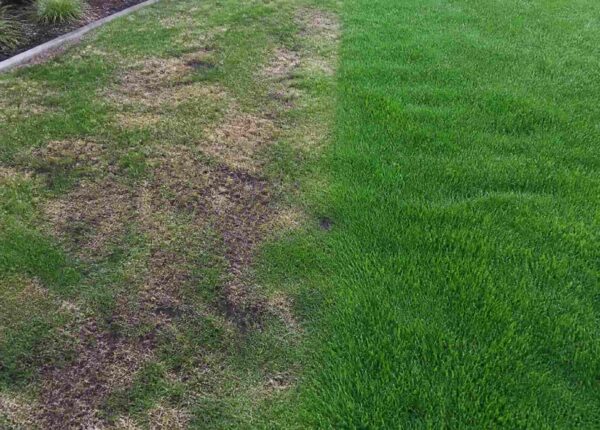
A lawn that looks thin or develops bare patches may have several possible causes.
These can include:
- Heavy foot traffic
- Poor soil conditions
- Insufficient sunlight
- Improper watering
- Nutrient deficiencies
- Pest activity
- Lawn disease
- Poor mowing practices
- Seasonal stress
When grass becomes thin, weeds can establish more easily because there is less healthy turf competing for available resources.
Depending on the condition of the lawn, professional lawn care services in Guelph may include recommendations for aeration, fertilization, overseeding, watering adjustments, or other treatments.
3. Compacted Soil
Soil compaction is a common lawn problem that can be overlooked because it occurs below the surface.
When soil becomes compacted, grass roots may have less access to air, water, and nutrients. Water may also have difficulty penetrating the soil properly, potentially resulting in runoff or uneven moisture.
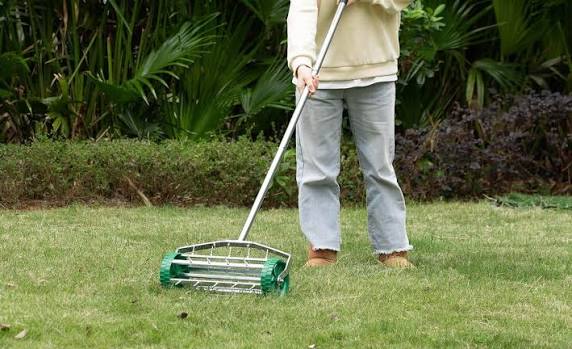
Aeration can help relieve certain forms of soil compaction by creating openings in the soil that allow improved movement of air and water.
Professional lawn care providers can assess whether aeration is appropriate and determine when it should be performed based on lawn conditions and seasonal timing.
4. Lawn Discoloration
Yellow, brown, or pale grass does not always have one simple cause.
Discoloration can result from:
- Lack of water
- Excessive moisture
- Nutrient issues
- Pest damage
- Disease
- Soil problems
- Environmental stress
- Improper mowing
Treating discoloured grass without identifying the cause can result in ineffective or unnecessary treatments.
A professional assessment can help narrow down the likely cause and determine an appropriate lawn care strategy.
5. Insect and Grub Damage
Insects can cause significant lawn damage when populations become established.
Grubs are particularly concerning because they live beneath the soil and feed on grass roots. Damage may initially appear as thinning or discoloured turf before becoming more noticeable.
In some cases, animals such as skunks, raccoons, or birds may disturb the lawn while searching for insects beneath the surface.
If unusual lawn damage appears suddenly or sections of turf become loose or die back, homeowners may benefit from having the lawn professionally assessed.
6. Dry or Drought-Stressed Grass
Extended periods of heat and limited rainfall can place considerable stress on turfgrass.
Symptoms may include:
- Brown or straw-coloured grass
- Footprints that remain visible after walking across the lawn
- Curling grass blades
- Slow growth
- Increased susceptibility to other forms of stress
Watering practices can make a significant difference. Deep and appropriate watering is generally more beneficial than frequent, shallow watering, although the correct approach depends on the grass type, soil, weather, and local conditions.
Professional lawn care can help homeowners develop a maintenance approach that supports turf health during periods of environmental stress.
7. Lawn Disease
Lawn diseases can appear as patches, spots, discoloured areas, or unusual patterns in the grass.
Disease development can be influenced by factors such as moisture, temperature, humidity, grass variety, soil conditions, and mowing practices.
Applying a treatment without knowing what is causing the problem may not provide the desired result. Proper identification is an important first step.
A professional lawn care assessment can help distinguish potential disease problems from issues caused by pests, watering, nutrients, or environmental stress.
8. Excess Thatch
Thatch is a layer of living and dead organic material that develops between the grass blades and soil surface.
A moderate amount of thatch can be part of a healthy lawn ecosystem, but excessive accumulation can interfere with water and nutrient movement and create an environment that contributes to other lawn problems.
If a lawn feels spongy underfoot or water does not penetrate effectively, excessive thatch may be one factor worth investigating.
Depending on the lawn’s condition, professional maintenance may include dethatching or other practices designed to improve the growing environment.
How Professional Lawn Care Can Help
Professional lawn care takes a more systematic approach to maintaining turf.
Instead of addressing problems only after they become severe, a professional lawn care program can focus on prevention, monitoring, and timely treatment.
Lawn Assessment
The first step is understanding the condition of the lawn.
An assessment can consider grass density, weeds, soil conditions, moisture, pests, disease symptoms, and other visible concerns.
Fertilization
Grass requires nutrients for healthy growth. Fertilization should be based on the needs of the lawn rather than applying excessive amounts without considering soil and turf conditions.
A properly planned fertilization program can support stronger turf and help the lawn compete more effectively with weeds.
Weed Management
Effective weed management involves identifying problematic weeds and considering the overall health of the turf.
A dense, healthy lawn can naturally make it more difficult for weeds to establish.
Aeration
Aeration can help address soil compaction and improve the growing environment around grass roots.
This can be particularly useful for lawns exposed to regular foot traffic or growing in compacted soil.
Overseeding
Overseeding introduces new grass seed into an existing lawn and can help improve turf density when conditions are appropriate.
A thicker lawn can improve appearance while reducing open spaces where weeds may establish.
Pest Management
When insects or grubs are suspected, professional lawn care can help identify the issue and determine whether treatment is necessary.
The goal should be targeted management based on the specific pest and level of activity.
Why a Seasonal Lawn Care Approach Matters
Different lawn problems tend to become more noticeable during different parts of the year.
Spring
Spring is an important period for assessing winter damage, addressing weeds, supporting new growth, and preparing the lawn for the growing season.
Summer
Summer lawn care often focuses on managing heat and drought stress, maintaining appropriate mowing practices, monitoring pests, and supporting turf health.
Fall
Fall can provide favourable conditions for several lawn maintenance activities, including addressing soil compaction and improving turf density where appropriate.
Winter
During winter, grass growth slows considerably. Homeowners can focus on minimizing unnecessary traffic on frozen or snow-covered lawns and preparing for the following growing season.
A seasonal approach allows lawn care activities to be performed when they are most appropriate for the condition of the turf.
How Homeowners Can Support a Healthier Lawn
Professional lawn care works best when combined with good everyday maintenance.
Homeowners can support lawn health by:
- Following appropriate mowing practices.
- Avoiding cutting too much grass at once.
- Watering according to weather and lawn needs.
- Avoiding unnecessary foot traffic on stressed grass.
- Monitoring for weeds and unusual lawn damage.
- Addressing drainage problems.
- Keeping lawn equipment properly maintained.
- Scheduling professional assessments when recurring problems appear.
Small maintenance habits can make a noticeable difference over time.
Frequently Asked Questions
What are the most common lawn problems in Guelph?
Common concerns include weeds, thin or patchy grass, compacted soil, lawn discoloration, insect and grub damage, drought stress, disease, and excessive thatch.
When should I hire professional lawn care services in Guelph?
Professional help can be useful when lawn problems are recurring, widespread, difficult to identify, or not improving with regular maintenance. Professional services can also provide preventative care throughout the growing season.
Why does my Guelph lawn have bare patches?
Bare patches can result from several causes, including foot traffic, pests, disease, poor soil, insufficient sunlight, watering problems, or seasonal stress. Identifying the cause is important before selecting a treatment.
How can professional lawn care help with weeds?
Professional lawn care can combine weed management with practices designed to improve turf density and health. Addressing underlying lawn conditions can help reduce opportunities for weeds to establish.
Does lawn aeration help with compacted soil?
Aeration can help relieve certain forms of soil compaction by creating openings in the soil. This can improve the movement of air, water, and nutrients around grass roots.
How can I tell if grubs are damaging my lawn?
Possible signs include thinning or dying patches of grass, turf that becomes loose, and increased animal activity as birds or wildlife search for insects. A professional assessment can help confirm whether grubs are responsible.
Can professional lawn care prevent lawn problems?
No lawn care program can guarantee that a lawn will never develop problems. However, regular monitoring, proper nutrition, weed management, appropriate watering, aeration, and timely treatment can help maintain healthier turf and address issues before they become more extensive.
Give Your Guelph Lawn the Professional Care It Needs
A healthy lawn requires more than occasional mowing. Weeds, compacted soil, pests, disease, nutrient issues, and seasonal stress can all affect the appearance and strength of your turf.
Understanding the common lawn problems in Guelph is the first step toward addressing them effectively. When problems continue to return or become difficult to manage, professional lawn care services in Guelph can provide a more structured approach.
Weed-A-Way provides professional lawn care solutions designed to help homeowners maintain healthier, greener, and more resilient lawns. Whether you are dealing with weeds, thin turf, lawn stress, or other recurring concerns, professional assessment and timely lawn care can help you take better care of your property throughout the growing season.
If your Guelph lawn is struggling, contact Weed-A-Way to discuss your lawn care needs and determine an appropriate approach for your property.