How Seasonal Lawn Care Services in Burlington Protect Your Lawn Year-Round
 Maintaining a healthy lawn in Burlington requires more than mowing the grass during the warmer months. Lawns experience different conditions throughout the year, from spring moisture and weed growth to summer heat and fall preparation. Without the right care at the right time, these seasonal changes can leave grass thin, stressed, or more vulnerable to weeds, insects, and lawn diseases.
This is why seasonal lawn care services in Burlington can make a significant difference. A seasonal approach allows lawn care professionals to adjust treatments and maintenance based on the condition of the grass, soil, and environmental conditions throughout the year.
For Burlington homeowners, Weed-A-Way provides professional lawn care solutions designed to help maintain healthier, stronger lawns through every season.
Why Seasonal Lawn Care Matters in Burlington
A lawn does not have the same needs throughout the year. Grass growth, soil moisture, weed activity, insects, and lawn stress can change considerably from season to season.
Ontario lawn-care guidance recommends practices such as appropriate mowing, watering, fertilization, aeration, and overseeding according to seasonal conditions. Aeration, for example, can help improve water absorption and reduce soil compaction, while proper mowing and watering can help grass tolerate environmental stress.
A seasonal lawn care program can help homeowners:
- Maintain healthier grass growth
- Manage weeds before they become established
- Improve soil and root conditions
- Support stronger turf growth
- Address insect and pest concerns
- Prepare the lawn for seasonal changes
- Reduce stress caused by heat, moisture, and foot traffic
Rather than waiting until a lawn develops a serious problem, seasonal maintenance focuses on preventing problems and responding to them at the appropriate time.
Spring Lawn Care Services in Burlington
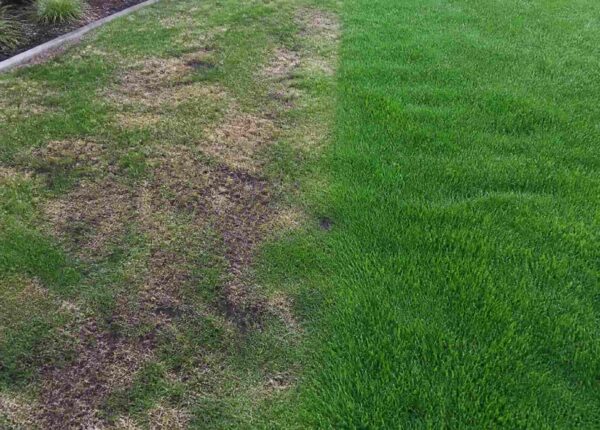
Spring is an important time to assess your lawn after the winter months. Snow, cold temperatures, moisture, and winter traffic can leave grass thin or uneven.
As temperatures rise, weeds can also begin competing with grass for available nutrients, water, and space.
Professional spring lawn care may include:
Lawn Assessment
The first step is understanding the current condition of the lawn. Thin areas, bare patches, excessive thatch, compacted soil, and early weed growth can all indicate that the lawn needs additional attention.
Fertilization
Spring fertilization can provide grass with nutrients needed for healthy growth. However, fertilizer applications should be based on the lawn’s condition and appropriate timing rather than applying excessive amounts.
Ontario guidance recommends adjusting nitrogen fertilization according to grass species and time of year, with appropriate fertilizer selection and application being important parts of turf management.
Weed Control
Spring is also an important period for identifying and managing weeds. Early intervention can help prevent weeds from becoming more established and competing heavily with desirable turf.
The City of Burlington notes that regular maintenance and weeding are important for preventing the spread of noxious and invasive weeds on properties.
Aeration and Soil Improvement
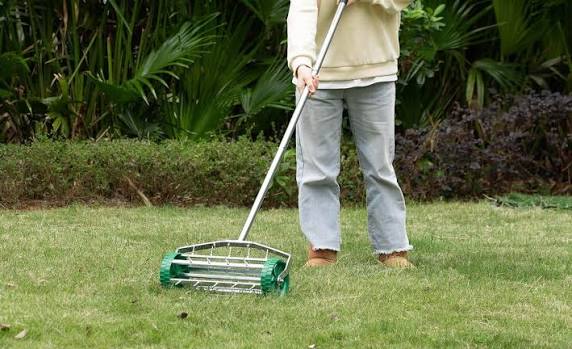
Compacted soil can restrict the movement of air, water, and nutrients around grass roots. Aeration helps create channels through the soil and can improve conditions for root development.
OMAFRA identifies aeration as a useful turf-management practice for relieving compaction, improving fertilizer penetration, and preparing turf for overseeding.
Summer Lawn Care Services in Burlington
Summer can place considerable stress on residential lawns. Hot temperatures, reduced rainfall, heavy use, and inconsistent watering can cause grass to lose its colour and become less vigorous.
A professional lawn care service in Burlington can adjust maintenance based on the lawn’s condition instead of following the same treatment schedule regardless of weather.
Proper Water Management
Watering deeply and less frequently can encourage healthier root development compared with frequent, shallow watering.
The City of Burlington recommends watering thoroughly but less frequently and watering during the early morning when evaporation is lower. It also recommends aeration to improve water absorption.
Managing Summer Stress
A stressed lawn can become more vulnerable to weeds, insects, and disease. Maintaining appropriate mowing height, watering practices, and nutrition can help grass better tolerate summer conditions.
Monitoring for Lawn Pests
Summer is also a good time to monitor for signs of insect activity or other turf problems. Ontario’s integrated pest management guidance emphasizes monitoring and identifying turf pests before determining the appropriate management approach.
Fall Lawn Care Services in Burlington
Fall is one of the most important seasons for preparing your lawn for the following growing season.
As temperatures become cooler, grass can continue developing roots while above-ground growth slows. This makes fall an important period for improving turf density and addressing problems that developed during summer.
Seasonal fall lawn care may include:
- Fertilization
- Aeration
- Overseeding
- Weed management
- Lawn assessment
- Preparing turf for winter
Fall Aeration
Aeration can help reduce soil compaction and improve conditions around the grass root zone.
Ontario guidance identifies spring and fall as suitable periods for aeration when turf is actively growing and can recover effectively.
Overseeding Thin Areas
If your lawn has developed thin or bare areas, overseeding can help improve turf density.
A thicker lawn can also make it more difficult for weeds to establish themselves because desirable grass occupies more of the available growing space.
Fall Fertilization
Appropriate fall fertilization can support turf health as the lawn prepares for winter. However, the type and amount of fertilizer should be selected according to turf requirements and seasonal conditions.
Winter Lawn Preparation
Although grass growth slows significantly during winter, the work done before winter can influence how your lawn performs when spring arrives.
Winter preparation may include:
- Final lawn assessment
- Addressing weed problems
- Improving thin areas
- Appropriate fall fertilization
- Aeration where needed
- Removing excessive leaf buildup
- Avoiding unnecessary traffic on vulnerable turf
Preparing the lawn before winter gives homeowners an opportunity to address problems instead of carrying them into the next growing season.
How Seasonal Lawn Care Helps Control Weeds
Weeds are one of the most common concerns for homeowners trying to maintain a healthy lawn.
However, weed control should not simply mean treating visible weeds whenever they appear. A long-term lawn care strategy should also focus on creating conditions that support healthy turf.
Healthy, dense grass can compete more effectively with weeds for sunlight, water, nutrients, and growing space.
Professional lawn care can combine:
- Lawn fertilization
- Proper mowing
- Aeration
- Overseeding
- Weed monitoring
- Appropriate weed-control treatments
This integrated approach can be more effective than relying on one treatment throughout the year.
The Importance of Lawn Fertilization
Grass requires nutrients to maintain healthy growth, but fertilizer should be applied responsibly.
Applying too much fertilizer can create unnecessary problems, while insufficient nutrition can leave turf weak and less competitive.
Professional lawn fertilization services in Burlington can help homeowners determine when their lawn may benefit from additional nutrients and which type of treatment is appropriate.
Ontario’s turf-management guidance recommends adjusting nitrogen applications according to turf species and seasonal requirements rather than using a one-size-fits-all approach.
Why Lawn Aeration Matters
Soil compaction can occur when lawns experience regular foot traffic, equipment use, or other pressure.
Compacted soil can make it more difficult for water and nutrients to move through the soil and reach grass roots.
Core aeration removes small plugs of soil from the lawn, helping open the soil and improve growing conditions. OMAFRA identifies aeration as a practice that can relieve compaction, improve water and fertilizer movement, and support overseeding.
For homeowners dealing with compacted or declining turf, lawn aeration services in Burlington can be an important part of a broader lawn-care program.
Professional Lawn Care vs. DIY Maintenance
Many homeowners can handle basic lawn maintenance themselves, including mowing, watering, and removing leaves.
However, professional lawn care can provide a more structured approach when a lawn has recurring problems.
Professionals can help identify whether poor lawn performance is related to:
- Soil compaction
- Nutrient deficiencies
- Excessive thatch
- Weed competition
- Insect activity
- Improper watering
- Seasonal stress
- Thin or damaged turf
Ontario’s integrated pest management guidance emphasizes identifying turf problems and pests before selecting an appropriate management strategy.
This diagnostic approach can help avoid treating the wrong problem.
Why Choose Seasonal Lawn Care Services in Burlington?
A seasonal lawn care program provides consistency.
Instead of addressing problems only after they become visible, professional lawn care can monitor the lawn throughout the year and adjust maintenance according to seasonal needs.
For Burlington homeowners, this can mean:
Consistent Lawn Monitoring
Regular visits make it easier to identify changes in turf condition before they become larger problems.
Timely Treatments
Different lawn problems require attention at different times of the year. Seasonal service helps ensure that maintenance is performed when it is most appropriate.
Better Weed Management
Regular monitoring can help identify weed growth early and prevent weeds from becoming a larger lawn problem.
Improved Turf Health
Fertilization, aeration, watering practices, mowing, and overseeding can work together to support stronger turf.
Year-Round Planning
Instead of treating spring, summer, fall, and winter as separate lawn-care periods, a seasonal program creates a continuous lawn-maintenance strategy.
Frequently Asked Questions
How often should I have lawn care services in Burlington?
The appropriate frequency depends on the lawn’s condition, grass type, soil conditions, weather, and the services required. A professional lawn assessment can help determine an appropriate seasonal schedule.
What lawn care should be done in spring?
Spring lawn care may include assessing winter damage, addressing weeds, fertilizing where appropriate, improving thin areas, and aerating when conditions are suitable.
Is fall lawn care important?
Yes. Fall can be an important time for aeration, overseeding, weed management, and appropriate fertilization. These practices can help prepare turf for winter and the following growing season.
Does lawn aeration help with compacted soil?
Yes. Core aeration can help relieve soil compaction and improve the movement of water, air, and nutrients through the soil.
Can seasonal lawn care help reduce weeds?
It can. Maintaining dense, healthy turf through appropriate mowing, nutrition, aeration, overseeding, and weed management can make the lawn more competitive with weeds.
Should lawn care continue throughout the winter?
Most active turf-growth services are concentrated during the growing seasons. However, winter preparation begins before winter and can help protect the lawn during the colder months.
Give Your Burlington Lawn the Professional Care It Needs
A healthy lawn requires attention throughout the year, not just during the summer. Each season presents different challenges, and the right lawn-care practices can help address those challenges before they become bigger problems.
From spring weed management and summer lawn maintenance to fall aeration and winter preparation, seasonal lawn care services in Burlington provide a structured way to maintain healthier and more resilient turf.
Weed-A-Way can help Burlington homeowners develop a lawn-care approach based on their lawn’s seasonal needs. With professional lawn care, weed control, fertilization, aeration, and other lawn-maintenance services, you can give your lawn the attention it needs throughout the year.