Common Mosquito and Tick Hotspots Around Mississauga Properties
Mosquitoes and ticks can make it difficult to enjoy outdoor spaces during the warmer months. While these pests behave differently, both can be found in areas around homes where moisture, vegetation, shade, and suitable habitat are available.
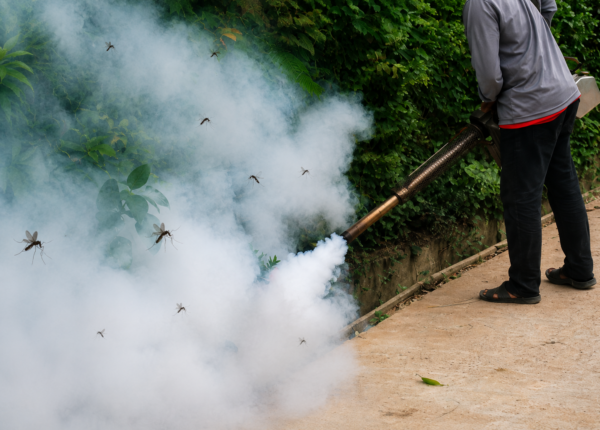
Understanding where mosquitoes and ticks are commonly found can help Mississauga homeowners identify problem areas and take steps to reduce exposure. Regular property maintenance can help, but properties with persistent mosquito or tick activity may benefit from professional mosquito and tick control in Mississauga.
Weed-A-Way provides professional lawn care and pest control services designed to help homeowners manage outdoor pest concerns and maintain healthier, more comfortable properties.
Also Read More:
Where Are Mosquitoes and Ticks Commonly Found?
Mosquitoes and ticks are not distributed evenly across every property. Certain outdoor conditions can make particular areas more attractive to these pests.
Mosquitoes are strongly associated with moisture and standing water. They may also rest in shaded vegetation during the day.
Ticks are commonly associated with vegetation, leaf litter, brush, and areas where suitable host animals may travel.
For this reason, homeowners should pay particular attention to areas where moisture, dense vegetation, shade, and organic debris are present.
Common Mosquito Hotspots Around Mississauga Homes
Standing Water
Standing water is one of the most important areas to check when looking for potential mosquito breeding sites.
Common examples around residential properties include:
- Buckets and containers
- Birdbaths
- Plant saucers
- Children’s outdoor toys
- Clogged gutters
- Poorly draining areas
- Uncovered water containers
- Other items that collect rainwater
Even relatively small amounts of stagnant water can provide suitable conditions for mosquito development.
Homeowners should regularly empty unnecessary containers and address drainage problems where possible.
Shaded Landscaping
Mosquitoes may rest in cool, shaded areas during the day. Dense shrubs, hedges, tall vegetation, and heavily landscaped areas can therefore become areas where mosquitoes are noticeable.
This does not mean homeowners should remove their landscaping. Instead, maintaining vegetation and avoiding unnecessary overgrowth can help improve airflow and reduce overly dense areas around outdoor living spaces.
Areas Around Patios and Decks
Outdoor seating areas can become frustrating when mosquito activity is high.
Patios and decks located close to dense vegetation, standing water, or shaded landscaping may experience more noticeable mosquito activity.
Keeping these areas maintained and addressing nearby moisture sources can help reduce conditions that attract mosquitoes.
Poorly Drained Areas
Low areas of a yard where rainwater remains for extended periods can contribute to mosquito-friendly conditions.
If water consistently collects in the same location after rainfall, homeowners may want to investigate drainage and grading issues.
Common Tick Hotspots Around Mississauga Properties
Ticks generally have different habitat preferences from mosquitoes. They are commonly associated with vegetation, leaf litter, brush, and areas where animals may move through the property.
Tall Grass and Overgrown Vegetation
Unmaintained grass and dense vegetation can provide suitable habitat for ticks and may increase the likelihood of people coming into contact with them.
Keeping grass maintained and managing excessive vegetation can make outdoor areas easier to monitor.
Leaf Litter
Leaves, branches, and other organic debris can create sheltered conditions around the property.
Pay particular attention to areas along property edges, gardens, wooded sections, and places where leaves naturally accumulate.
Regular yard cleanup can help reduce suitable tick habitat.
Dense Shrubs and Ground Cover
Dense vegetation can provide shelter for ticks and may also be used by animals that can transport ticks onto a property.
Keeping pathways, recreational areas, and frequently used sections of the yard maintained can help reduce direct contact with dense vegetation.
Property Edges and Brushy Areas
Areas where lawns meet dense vegetation, brush, wooded sections, or unmanaged land can be worth monitoring.
These transition zones may have greater pest activity because they provide a combination of vegetation and potential host movement.
Homeowners should be particularly cautious when children or pets regularly play near these areas.
How to Reduce Mosquito and Tick-Friendly Conditions
There is no single step that completely prevents mosquitoes or ticks from entering a property. However, regular property maintenance can help reduce conditions that support their presence.
Homeowners can:
- Remove unnecessary standing water
- Keep gutters clear
- Maintain lawns regularly
- Trim excessive vegetation
- Remove accumulated leaf litter
- Keep outdoor areas organized
- Address persistent drainage problems
- Maintain frequently used outdoor areas
- Inspect outdoor spaces regularly
- Follow appropriate precautions when spending time in dense vegetation
For ticks, personal precautions are also important. After spending time in areas with tall grass, brush, or dense vegetation, check clothing and exposed skin for ticks and follow appropriate tick-prevention guidance.
For mosquitoes, reducing standing water is particularly important because water can provide breeding opportunities.
When to Consider Professional Mosquito & Tick Control
Routine maintenance can help, but some properties continue to experience significant pest activity despite regular upkeep.
Professional mosquito and tick control services in Mississauga may be worth considering when:
- Mosquitoes make your backyard difficult to use
- Tick activity is a recurring concern
- Your property has dense landscaping
- Your yard borders wooded or heavily vegetated areas
- Outdoor events are regularly affected by mosquitoes
- You have repeatedly tried to reduce pest activity without satisfactory results
A professional service can assess the property and identify areas that may contribute to mosquito or tick activity.
Depending on the service and treatment method, professional pest control may involve targeted treatment of appropriate outdoor areas, along with recommendations for reducing favourable conditions.
Treatment products should always be applied according to their approved label directions, including any requirements related to application, treated areas, precautions, and re-entry.
Frequently Asked Questions
Where are mosquitoes most commonly found around Mississauga homes?
Mosquitoes are commonly associated with standing water, shaded vegetation, dense landscaping, and areas with moisture. Containers, clogged gutters, poorly drained areas, and other water-holding locations should be checked regularly.
Where are ticks commonly found around residential properties?
Ticks are often associated with tall grass, leaf litter, dense vegetation, brush, and property edges where lawns meet wooded or unmanaged areas.
Does standing water attract ticks?
Standing water is primarily associated with mosquito breeding rather than tick habitat. Ticks are more commonly associated with vegetation, leaf litter, brush, and areas where suitable hosts travel.
Can lawn maintenance help reduce ticks?
Regular lawn maintenance can help make frequently used outdoor areas less suitable for tick habitat. Keeping grass maintained and managing dense vegetation and leaf litter can be useful parts of a broader tick-management approach.
How can I reduce mosquitoes around my backyard?
Start by removing unnecessary standing water and addressing drainage issues. Maintaining vegetation and reducing overly dense areas around patios and other outdoor spaces can also help. Professional mosquito control may be considered when activity remains high.
Are mosquitoes and ticks active at the same time?
There can be overlap in their seasonal activity, although mosquitoes and ticks respond differently to environmental conditions. Activity varies based on temperature.