Overseeding vs. Lawn Repair: What Your Lawn Really Needs This Spring
 A healthy, green lawn doesn’t happen by accident—especially after a long Ontario winter. Many homeowners face a common question in spring: should you overseed your lawn or focus on lawn repair? Understanding the difference helps you choose the right solution for a thicker, healthier lawn.
At Weed-A-Way, we provide expert lawn care services across Ontario, helping homeowners restore and maintain strong, vibrant lawns. This guide breaks down everything you need to know.
What Is Overseeding?
Overseeding is the process of spreading grass seed over an existing lawn to improve its density and overall health. It is commonly used when your lawn appears thin or uneven but still has a solid base.
Benefits of Overseeding
- Thickens your lawn naturally
- Improves resistance to weeds and diseases
- Enhances lawn color and appearance
- Introduces stronger grass varieties
Overseeding is ideal for lawns that are not severely damaged but need improvement in thickness and coverage.
What Is Lawn Repair?
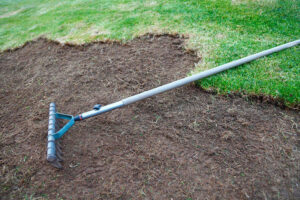
Lawn repair focuses on fixing damaged or bare areas in your yard. These issues are often caused by winter stress, salt damage, heavy foot traffic, or lawn diseases.
Common Lawn Repair Solutions
- Reseeding bare patches
- Adding topsoil to improve growth
- Fixing compacted soil
- Treating lawn diseases and damage
Lawn repair is a targeted approach designed to restore specific problem areas.
Key Differences Between Overseeding and Lawn Repair
| Factor | Overseeding | Lawn Repair |
| Purpose | Improve lawn thickness | Fix damaged areas |
| Coverage | Entire lawn | Specific spots |
| Best For | Thin lawns | Patchy or damaged lawns |
| Approach | Preventive and enhancing | Corrective and targeted |
When Should You Overseed Your Lawn?
You should consider overseeding if:
- Your lawn looks thin but not severely damaged
- Grass growth is uneven
- You want a fuller, greener lawn
- You are preparing your lawn for summer
In Ontario, early to mid-spring is an ideal time for overseeding, as soil temperatures begin to rise and support germination.
When Does Your Lawn Need Repair?
Lawn repair is necessary if your lawn shows:
- Large bare or dead patches
- Discolored or thinning grass
- Damage from snow mold or road salt
- Compacted or uneven soil
If these problems are ignored, weeds can quickly take over and worsen the condition of your lawn.
Combining Overseeding and Lawn Repair
In many cases, the best results come from combining both methods. Repairing damaged areas first and then overseeding the entire lawn helps create a uniform, dense, and healthy appearance.
At Weed-A-Way, we often recommend this combined approach to ensure long-term lawn health and consistent growth across your yard.
Spring Lawn Care Tips for Ontario
- Start with a thorough lawn cleanup to remove debris
- Apply a balanced fertilizer after seeding
- Water consistently to support new growth
- Mow at a higher setting to strengthen roots
- Use effective weed control to prevent competition
Following these steps will help your lawn recover quickly and stay healthy throughout the season.
FAQs
Is overseeding enough to fix bare patches?
Overseeding can effectively repair small to moderate bare patches by introducing new grass seed to thin areas. However, if the damage is caused by poor soil, pests, disease, or heavy foot traffic, those underlying issues should be addressed first for lasting results
How long does it take to see results after overseeding?
Most grass seed begins to germinate within 7–21 days, depending on the grass variety, weather conditions, and soil moisture. Full lawn improvement is typically visible within 4–8 weeks with proper care.
Can I overseed and fertilize at the same time?
Yes, overseeding and fertilizing can be done at the same time. Using a starter fertilizer during overseeding helps support seed germination and root development, giving new grass the nutrients it needs to establish quickly.
How do I know if my lawn needs repair instead of overseeding?
If your lawn has extensive bare areas, severe weed infestations, soil compaction, drainage issues, or signs of disease, lawn repair may be necessary before overseeding. A professional lawn assessment can help determine the best solution.
Is professional lawn care worth it?
Yes, professional lawn care can be a valuable investment for homeowners who want a healthier, greener lawn without the hassle of ongoing maintenance. Lawn care experts provide tailored treatments, weed control, fertilization, and repair services that often deliver better long-term results.
Get Expert Lawn Care That Delivers Real Results
Choosing between overseeding and lawn repair depends on your lawn’s condition, but the right strategy can make all the difference. With expert guidance and proven techniques, you can achieve a thicker, greener, and healthier lawn this spring.
Weed-A-Way offers customized lawn care programs including overseeding, lawn repair, fertilization, and weed control tailored to Ontario conditions.
Contact Weed-A-Way today to schedule your lawn assessment and give your lawn the professional care it deserves.